
Mitolyn Review: Ingredients, Benefits, How It Works, Price, Reviews & Safety
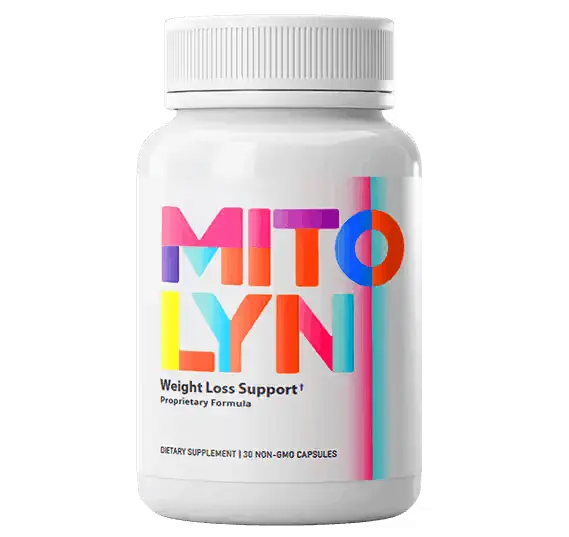
If you have been searching for a supplement designed around metabolism, energy, and healthy weight management, you may have come across Mitolyn. The product is marketed as a plant-based dietary supplement that focuses on mitochondrial support—the idea being that healthier cellular energy production may help support everyday energy and metabolic function.
The official Mitolyn information describes the formula as a combination of naturally sourced ingredients selected to support energy levels, metabolism, and an active lifestyle. Rather than positioning the product simply as a traditional weight-loss capsule, its marketing emphasizes the mitochondria, which are structures inside cells responsible for producing much of the energy the body uses.
The supplied Mitolyn website also displays a 5.0 rating based on 2,300 reviews and presents the product as suitable for people who want additional support while working toward healthier lifestyle and fitness goals.
But how should these claims be interpreted? Do the individual ingredients have scientific support? Can Mitolyn actually cause weight loss? And what should consumers know about safety before using a multi-ingredient botanical supplement?
This detailed Mitolyn review examines the product, its advertised ingredients, potential benefits, evidence, limitations, safety considerations, and the questions buyers commonly ask.
What Is Mitolyn?
Mitolyn is a dietary supplement marketed primarily around metabolism, energy, mitochondrial function, and weight-management support.
According to the product information, the formula combines six plant-based ingredients:
- Maqui Berry
- Rhodiola Rosea
- Haematococcus pluvialis, a source of astaxanthin
- Amla, also known as Indian gooseberry
- Theobroma cacao, or cocoa extract
- Schisandra chinensis
The basic concept behind the formula is that mitochondria play an important role in cellular energy production. Because cells require energy for normal physiological functions, the product’s marketing connects mitochondrial wellness with energy and metabolic performance.
That concept is biologically reasonable in a broad sense, but it is important to distinguish supporting normal cellular processes from proving that a supplement will substantially increase calorie burning or cause meaningful fat loss.
The NIH Office of Dietary Supplements notes that there is limited scientific evidence that weight-loss supplements generally produce meaningful weight reduction, and that studies of multi-ingredient products are particularly difficult because ingredients can behave differently when combined.
Therefore, Mitolyn should be viewed as a dietary supplement that may complement healthy habits rather than as a replacement for nutrition, exercise, sleep, or professional medical advice.
How Does Mitolyn Work?
The central marketing idea behind Mitolyn is mitochondrial support.
Mitochondria are often described as the energy-producing components of cells. They help convert nutrients into usable cellular energy. Energy metabolism is a complex biological process involving numerous organs, hormones, enzymes, nutrients, and physiological systems.
Mitolyn combines antioxidant-rich fruits, botanical extracts, and plant compounds with the goal of supporting several aspects of general wellness.
For example, Maqui Berry supplies anthocyanins, while Haematococcus pluvialis provides astaxanthin. Amla contains numerous antioxidant compounds, and cocoa contains flavanols and other polyphenols. Rhodiola and Schisandra are traditionally used botanical ingredients with research interest surrounding stress, fatigue, and other areas.
However, the presence of these ingredients does not automatically demonstrate that the finished Mitolyn product increases metabolic rate or burns body fat.
That distinction is particularly important because research on individual ingredients does not necessarily prove that a particular combination, dose, or commercial formulation will produce the same effects.
Mitolyn Ingredients
1. Maqui Berry
Maqui Berry comes from the Chilean fruit Aristotelia chilensis. It is particularly notable for its anthocyanin content, which gives the berry its deep purple color.
Anthocyanins are plant pigments with antioxidant properties, and maqui berry has attracted interest for potential metabolic and cardiovascular applications.
Human research exists, but it remains relatively limited. One randomized controlled trial involving a standardized maqui berry extract examined oxidative-stress biomarkers and found improvements in some markers after supplementation, while changes in anthropometric measurements and lipid profile were not significant during the study period.
A newer systematic review of human maqui berry trials also concluded that clinical efficacy remains uncertain and that additional research is needed.
For Mitolyn, this means maqui berry can reasonably be described as an antioxidant-rich botanical ingredient, but it should not be presented as a proven fat-burning compound.
2. Rhodiola Rosea
Rhodiola rosea is an adaptogenic herb traditionally used in several regions for fatigue, endurance, stress, and work performance.
Mitolyn includes Rhodiola as part of its broader energy and wellness strategy.
The evidence, however, needs to be interpreted carefully. The National Center for Complementary and Integrative Health states that there is currently insufficient reliable evidence to determine whether Rhodiola is useful for any specific health-related purpose. Available human research is generally limited in quality.
Rhodiola may also cause side effects such as headache, dizziness, insomnia, or dry mouth in some people. NCCIH notes that an interaction with losartan has been reported and recommends discussing herbal products with healthcare professionals when medications are being used.
Thus, Rhodiola may be an interesting ingredient for an energy-oriented formula, but strong claims about increased metabolism or weight loss would go beyond the available evidence.
3. Haematococcus Pluvialis and Astaxanthin
Haematococcus pluvialis is a microalga known for producing astaxanthin, a red carotenoid with antioxidant properties.
Astaxanthin has been investigated for oxidative stress, exercise performance, metabolic health, and other applications.
A systematic review and meta-analysis involving adults at risk of metabolic syndrome included seven studies with 321 participants. Researchers found some potentially favorable effects on LDL cholesterol and modest effects on certain other cardiovascular markers, but concluded that stronger evidence was still needed.
Research has also examined astaxanthin in relation to fatigue, cognition, and exercise performance.
Importantly, more recent research specifically examining body weight found that pooled trials did not establish a statistically significant reduction in BMI or body weight.
Therefore, astaxanthin is scientifically interesting, but it should not be treated as proof that Mitolyn will directly burn stored body fat.
4. Amla
Amla, or Indian gooseberry (Emblica officinalis), is a traditional botanical that contains various polyphenols and antioxidant compounds.
It has attracted research attention because of possible effects on metabolic markers.
A 2023 systematic review and meta-analysis examined five randomized controlled trials and reported improvements in several laboratory measures, including fasting blood glucose, LDL cholesterol, total cholesterol, triglycerides, HDL cholesterol, and C-reactive protein. However, the researchers emphasized that the available trials were relatively small and short, generally lasting between three and twelve weeks.
These findings make amla an interesting ingredient from a metabolic-health perspective, but laboratory improvements in selected biomarkers are not equivalent to proving that a commercial supplement produces significant weight loss.
5. Theobroma Cacao
Theobroma cacao is the botanical name for the cacao plant used to produce cocoa.
Cocoa contains flavan-3-ols and other polyphenolic compounds that have been studied for cardiovascular and metabolic effects.
A systematic review of randomized trials found that cocoa or chocolate flavan-3-ol interventions were associated with improvements in some cardiovascular-related outcomes, including endothelial function and insulin-resistance measures in certain study settings.
However, cocoa extract should not be confused with chocolate products generally. The amount and composition of active compounds can vary significantly between preparations.
In Mitolyn, cocoa is best understood as one component of a broader botanical blend rather than as an independently proven weight-loss ingredient.
6. Schisandra Chinensis
Schisandra chinensis is a traditional botanical used in East Asian medicine. Its berries contain lignans and other plant compounds that have been investigated for antioxidant, metabolic, liver-related, and pharmacological effects.
One important consideration with Schisandra is potential interaction with medications.
Research reviews indicate that compounds in Schisandra can affect enzymes and transporters such as CYP3A and P-glycoprotein, which participate in the metabolism and movement of various medicines.
This does not mean everyone taking Mitolyn will experience an interaction. It does mean that people taking prescription medications should not assume that a plant-based supplement is automatically interaction-free.
Potential Benefits of Mitolyn
Based on the product’s formulation and marketing, Mitolyn is intended to support several areas of wellness.
Supports Everyday Energy
The formula is marketed toward people who want to maintain energy throughout the day.
Because cellular energy production depends heavily on mitochondrial activity, the product uses mitochondrial support as its primary conceptual framework.
However, persistent fatigue can have many causes, including inadequate sleep, nutritional deficiencies, stress, medications, medical conditions, or insufficient recovery. A supplement should not be used to mask unexplained or persistent fatigue.
Supports Metabolic Wellness
Several Mitolyn ingredients have been studied in connection with metabolic markers.
Amla, for example, has shown potentially favorable effects on glucose and lipid measures in small clinical trials. Astaxanthin and polyphenol-rich botanicals have also been investigated in metabolic research.
Still, metabolic health is much broader than simply increasing calorie expenditure.
Supports an Active Lifestyle
A formula containing antioxidant-rich botanicals may appeal to people who exercise regularly and want general nutritional support.
Some astaxanthin research has explored exercise performance and recovery, although the evidence remains developing.
Mitolyn should therefore be considered an optional addition to an active lifestyle rather than a substitute for adequate protein, hydration, sleep, balanced nutrition, and structured exercise.
Provides Plant-Based Ingredients
The product is marketed around a collection of plant-derived ingredients rather than conventional pharmaceutical weight-loss drugs.
For consumers who prefer botanical supplements, this may be one of the product’s main attractions.
Nevertheless, “natural” does not automatically mean effective or risk-free. Botanical ingredients can have pharmacological activity and can interact with medicines.
Can Mitolyn Help With Weight Loss?
This is one of the most important questions surrounding the product.
Mitolyn is marketed for metabolism and weight-management support, but there is an important difference between supporting metabolic health and causing measurable fat loss.
The human evidence for many individual ingredients is still limited. Furthermore, there does not appear to be strong independent clinical evidence establishing that the finished Mitolyn formula itself causes significant long-term weight loss.
The NIH Office of Dietary Supplements states that there is little scientific evidence that weight-loss supplements generally work and notes that manufacturers do not frequently conduct large, long-duration human studies on their complete products.
That does not mean Mitolyn is necessarily ineffective. It means consumers should maintain realistic expectations.
Successful weight management is generally influenced by food intake, physical activity, sleep, stress, genetics, age, medications, and overall energy balance.
A supplement can potentially be part of a broader wellness routine, but it should not be viewed as a shortcut around these fundamentals.
Mitolyn Reviews
The supplied Mitolyn website displays a 5.0 rating based on 2,300 reviews.
Customer feedback can be useful for understanding how buyers describe their personal experiences, but testimonials are not equivalent to controlled clinical research.
Individual experiences with supplements can differ substantially. One person may report improved energy while another may notice little change. Factors such as diet, sleep, exercise, expectations, baseline health, and other supplements or medications can all affect perceived results.
For that reason, customer reviews should be considered anecdotal evidence rather than proof that Mitolyn will produce a specific outcome for every user.
Is Mitolyn Safe?
The product is marketed as a natural, plant-based supplement. However, safety depends on the exact ingredients, their doses, product quality, and the individual using the supplement.
One important limitation in the supplied information is that it does not provide detailed amounts for each ingredient. Without the exact dose, it is difficult to compare the formula with amounts used in specific clinical studies.
People taking prescription medicines should be particularly cautious with multi-herb formulas. Schisandra, for example, has documented potential to affect drug-metabolizing enzymes and transporters.
Rhodiola also has reported medication interactions and may cause insomnia, dizziness, headache, or other side effects in some users.
It is sensible to speak with a doctor or pharmacist before taking Mitolyn if you:
- Take prescription medications.
- Have a chronic medical condition.
- Are pregnant or breastfeeding.
- Have a history of significant liver or kidney problems.
- Are preparing for surgery.
- Take multiple herbal or dietary supplements.
- Experience unexplained fatigue, dizziness, palpitations, or other persistent symptoms.
The NIH also recommends discussing weight-loss supplements with healthcare providers, particularly for people with conditions such as high blood pressure, diabetes, heart disease, or liver disease.
How Should You Think About Mitolyn?
The most useful way to evaluate Mitolyn is to look at it as a multi-ingredient wellness supplement, not as a guaranteed fat-burning product.
Its formula includes several botanicals and antioxidant compounds with interesting areas of scientific research. Maqui berry has been investigated for oxidative-stress markers, Rhodiola for stress and fatigue-related applications, astaxanthin for antioxidant and metabolic outcomes, amla for metabolic biomarkers, cocoa flavanols for cardiovascular measures, and Schisandra for traditional and pharmacological applications.
But research on individual ingredients cannot automatically be transferred to the finished product.
The strongest expectations should therefore remain realistic: Mitolyn may be considered as part of a broader healthy routine, while long-term weight management should continue to rely on sustainable nutrition, regular movement, adequate sleep, and appropriate medical guidance when necessary.
How Long Does Mitolyn Take to Work?
There is no scientifically established timeline that guarantees when a person will notice results from Mitolyn.
Some people may notice changes in how they feel relatively quickly, while others may notice no obvious difference. Weight and body-composition changes are especially dependent on overall lifestyle and energy balance.
A product should not be judged solely by whether the scale changes within a few days.
If someone is using a supplement for general wellness, tracking consistent habits such as sleep, exercise, food choices, energy, and body measurements can provide a more useful picture than relying on short-term changes in weight alone.
Can Mitolyn Be Taken With Other Supplements?
Potentially, but this depends on the other products being used.
Combining several supplements can unintentionally duplicate ingredients or increase exposure to botanicals that affect the same biological pathways.
The situation becomes more important when prescription medicines are involved. Schisandra, in particular, has been investigated for interactions involving drug-metabolizing pathways.
Before combining Mitolyn with other supplements, review the complete ingredient labels and discuss the combination with a healthcare professional if you take medications or have an ongoing medical condition.
Mitolyn Price and Guarantee
The supplied Mitolyn page presents the product as an official-site purchase option, but the text provided for this review does not include specific current package prices or a clearly stated refund period.
Because supplement pricing, discounts, shipping charges, and promotional offers can change, buyers should verify the current price and terms on the official sales page before purchasing.
The same applies to any claims about savings, bonuses, shipping, or guarantees.
Mitolyn Pros and Cons
Potential Pros
- Contains a blend of six botanical and plant-derived ingredients.
- Focuses on energy and metabolic wellness.
- Includes antioxidant-rich ingredients such as maqui berry and astaxanthin.
- Amla has some promising human research involving metabolic biomarkers.
- Designed to complement an active lifestyle.
- Uses a mitochondrial-support concept that distinguishes it from conventional stimulant-focused weight-loss products.
Potential Cons
- Strong independent clinical evidence on the complete Mitolyn formula is limited.
- Individual ingredient research does not prove the finished product produces weight loss.
- Exact ingredient doses are not provided in the supplied information.
- Results are likely to vary between individuals.
- Botanical ingredients can interact with medications.
- Rhodiola and Schisandra require particular attention when medications are being used.
- A supplement cannot replace sustainable nutrition and physical activity for weight management.
Frequently Asked Questions About Mitolyn
What is Mitolyn used for?
Mitolyn is marketed as a dietary supplement for metabolism, energy, mitochondrial wellness, and healthy weight-management support. It is intended to complement a healthy lifestyle rather than replace diet or exercise.
What ingredients are in Mitolyn?
The formula described in the supplied product information includes Maqui Berry, Rhodiola Rosea, Haematococcus pluvialis/astaxanthin, Amla, Theobroma cacao, and Schisandra chinensis.
Does Mitolyn really burn fat?
The product is marketed to support metabolism and fat-burning processes, but there is not enough independent clinical evidence to guarantee that Mitolyn itself produces significant fat loss. Weight management remains strongly dependent on overall calorie intake, physical activity, sleep, and other individual factors.
Is Mitolyn a stimulant?
The supplied ingredient list does not identify a conventional stimulant such as caffeine as a primary ingredient. However, botanical ingredients can still have physiological effects. Anyone sensitive to herbal supplements or taking medications should review the complete label with a healthcare professional.
How long does Mitolyn take to show results?
There is no guaranteed timeframe. Individual experiences can vary, and meaningful changes in body weight generally depend on longer-term lifestyle patterns rather than a few days of supplementation.
Can I take Mitolyn with medications?
Do not assume that a plant-based supplement is automatically compatible with prescription medicines. Schisandra, for example, can influence drug-metabolizing pathways, while Rhodiola has also been associated with potential interactions. Consult a doctor or pharmacist before combining Mitolyn with medication.
Is Mitolyn FDA approved?
A dietary supplement should not be described as FDA-approved simply because it is sold in the United States or manufactured in a facility that follows particular regulatory or quality requirements. FDA approval should not be assumed unless there is specific official evidence of approval for the product.
Are Mitolyn reviews reliable?
Customer reviews can provide information about individual experiences, but they are anecdotal. The supplied website reports 2,300 reviews and a 5.0 rating, but customer feedback should not be treated as equivalent to independent randomized clinical evidence.
Final Verdict: What Should You Know Before Buying Mitolyn?
Mitolyn is a plant-based dietary supplement marketed around mitochondrial support, energy, metabolism, and healthy weight management. Its six-ingredient formula combines Maqui Berry, Rhodiola, Haematococcus/astaxanthin, Amla, Theobroma cacao, and Schisandra.
Several of these ingredients have interesting scientific backgrounds. Amla has shown potentially favorable metabolic effects in small randomized trials, astaxanthin continues to be investigated for antioxidant and metabolic applications, and maqui berry has demonstrated effects on certain oxidative-stress markers in human research.
At the same time, the evidence should not be overstated. Research on individual ingredients does not establish that the finished Mitolyn formula will increase metabolism dramatically or produce guaranteed weight loss. The NIH specifically notes that evidence for weight-loss supplements overall is limited.
For someone considering Mitolyn, the most reasonable approach is to view it as an optional supplement within a broader health routine. A balanced diet, regular physical activity, sufficient sleep, hydration, and sustainable habits remain central to weight management and overall wellness.
People taking prescription medications or managing medical conditions should check the complete ingredient label with a qualified healthcare professional before starting the product, particularly because botanical ingredients such as Schisandra and Rhodiola may have medication-related considerations.
Ultimately, the quality of the current label, ingredient doses, manufacturing information, pricing, refund terms, and your individual circumstances are all worth checking before making a purchase.