
HepatoBurn Review: Ingredients, Benefits, How It Works, Price, Reviews & Safety
If you are looking for a supplement that combines liver-focused wellness with weight-management support, HepatoBurn is a product you may have encountered online. The formula is marketed around the idea that supporting normal liver function can complement healthy metabolism, digestion, energy, and body-weight goals.
Unlike conventional weight-management supplements that often focus heavily on stimulants or appetite suppression, HepatoBurn is presented as a plant-based formula built around ingredients associated with liver and metabolic health. The supplied product information describes two main concepts behind the formula: a Liver Purification Complex and a Liver Fat-Burning Complex.
The ingredient list provided for this version of HepatoBurn includes Resveratrol, Camellia sinensis, Genistein, Chlorogenic Acid, Choline, Silymarin, Betaine, and Berberine.
The manufacturer promotes these ingredients for several potential benefits, including supporting liver function, healthy metabolism, energy, digestion, appetite management, and weight management.
However, marketing claims should be separated from established scientific evidence. A supplement containing ingredients associated with metabolic or liver research does not automatically mean that the finished product will burn belly fat, accelerate metabolism, or produce a particular amount of weight loss.
This review takes a closer look at HepatoBurn, its ingredients, advertised benefits, research considerations, safety, customer reviews, pricing information, and frequently asked questions.
What Is HepatoBurn?
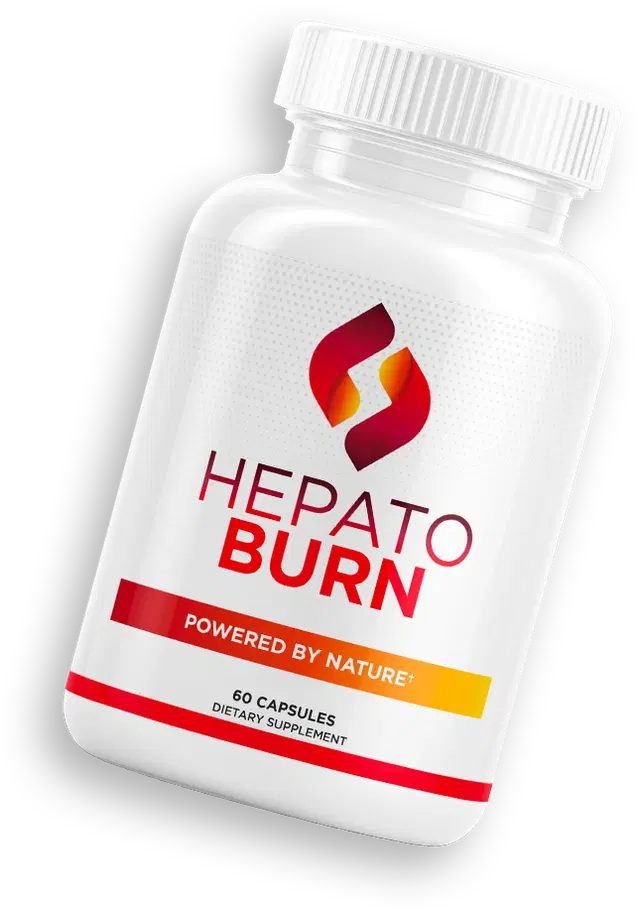
HepatoBurn is a dietary supplement marketed primarily for liver support and healthy weight management.
The product’s concept is based on the role of the liver in numerous normal physiological processes, including nutrient metabolism, bile production, and the processing of substances absorbed from the digestive tract.
According to the supplied product information, HepatoBurn is designed for adults who want to support their overall metabolic wellness while working toward a healthier body weight.
The formula combines eight ingredients:
- Resveratrol
- Camellia sinensis
- Genistein
- Chlorogenic Acid
- Choline
- Silymarin
- Betaine
- Berberine
Several of these compounds have been studied individually for metabolic, antioxidant, cardiovascular, or liver-related effects.
That research makes the formula scientifically interesting, but there is an important limitation: research on an individual ingredient does not establish that the complete HepatoBurn product will deliver the same result.
The exact amounts of the individual ingredients are also not provided in the supplied product information. Dosage matters when comparing a supplement with clinical research, so it would be inappropriate to assume that HepatoBurn provides the same quantities used in published studies.
How Does HepatoBurn Work?
The marketing concept behind HepatoBurn is centered on supporting the liver as part of a broader metabolic-health strategy.
The liver performs many essential functions. It processes nutrients, produces bile, stores certain nutrients, helps regulate metabolism, and modifies numerous substances circulating through the body.
Because of these functions, maintaining liver health is important.
However, the liver should not be thought of as a simple “fat-burning switch.” Body weight and body-fat levels are influenced by total energy intake and expenditure, physical activity, sleep, genetics, age, hormones, medications, stress, and many other factors.
HepatoBurn’s ingredients are therefore better understood as potentially supportive nutritional compounds rather than a mechanism that automatically switches the body from “fat-storing” to “fat-burning” mode.
The product’s marketing also uses terms such as “detox” and “cleanse.” In a scientific context, those terms can be misleading if interpreted as meaning that a supplement literally removes accumulated toxins from the liver. The liver and other organs already have sophisticated systems for processing and eliminating substances from the body.
A more accurate description is that some HepatoBurn ingredients have been investigated for antioxidant or metabolic effects that may be relevant to overall wellness.
HepatoBurn Ingredients
1. Resveratrol
Resveratrol is a polyphenolic compound found naturally in foods such as grapes and certain berries. It has received considerable scientific attention because of its antioxidant and biological activity.
Research has explored resveratrol in relation to inflammation, cardiovascular health, glucose metabolism, and body composition.
The findings concerning weight management have been inconsistent. Some systematic reviews have reported small improvements in measures such as body weight, BMI, waist circumference, or body fat, while other analyses have failed to demonstrate a meaningful anti-obesity effect.
This variation is important because it shows why resveratrol should not be described as a guaranteed fat-burning ingredient.
In HepatoBurn, resveratrol is better viewed as one of the formula’s polyphenol-based components that may contribute to its overall antioxidant and metabolic-health positioning.
2. Camellia Sinensis
Camellia sinensis is the scientific name for the tea plant. Green tea extracts derived from this plant contain compounds such as catechins, including EGCG.
Green tea has been widely investigated for metabolism and body-weight management.
Some studies suggest green tea catechins, particularly when combined with caffeine, may have modest effects on energy expenditure or body weight. However, the magnitude of these effects tends to be relatively small and varies between studies.
It is therefore inaccurate to describe green tea extract as a powerful standalone fat burner.
Another consideration is that concentrated green tea extracts are not identical to drinking ordinary brewed green tea. Extracts can provide substantially different concentrations of active compounds, and safety depends partly on the formulation and dose.
Because the supplied HepatoBurn information does not provide the exact amount of Camellia sinensis extract, it is not possible to determine how closely the product corresponds to doses investigated in clinical research.
3. Genistein
Genistein is an isoflavone naturally associated with soy and other legumes.
It has attracted scientific interest because of its antioxidant properties and its ability to interact with estrogen-related biological pathways.
Laboratory and animal studies have investigated genistein in connection with lipid metabolism, glucose regulation, inflammation, and fat-cell biology.
However, evidence from laboratory experiments should not automatically be translated into claims about human weight loss.
Genistein’s presence in HepatoBurn adds another plant-derived compound to the formula, but there is insufficient evidence to say that the amount present in the product will prevent fat-cell formation or directly produce substantial weight loss.
People with hormone-sensitive medical conditions or those taking medications affected by estrogen-related pathways should discuss genistein-containing supplements with a healthcare professional.
4. Chlorogenic Acid
Chlorogenic acids are naturally occurring polyphenols found in foods and beverages, particularly coffee.
Chlorogenic acid has been studied for potential effects on glucose metabolism, blood pressure, and body weight.
Research on green coffee extract, which is naturally rich in chlorogenic acids, has produced mixed results. Some clinical trials and meta-analyses have reported modest reductions in weight or BMI, while others have found limited or inconsistent effects.
One reason results differ is that studies can use different extracts, doses, durations, and participant populations.
Therefore, the chlorogenic acid in HepatoBurn should not be interpreted as proof that the product will selectively burn abdominal fat.
It is more appropriate to describe it as an ingredient with preliminary and mixed metabolic research.
5. Choline
Choline is different from many of the botanical ingredients in HepatoBurn because it is an essential nutrient.
The body needs choline for several normal functions, including cell-membrane structure, neurotransmitter production, and lipid transport.
Adequate choline is particularly relevant to normal liver physiology because it participates in processes involved in transporting fats from the liver.
However, getting enough choline does not mean that taking extra choline automatically causes fat loss.
The amount of choline in HepatoBurn is not specified in the supplied information, so the product should not be assumed to correct a nutritional deficiency.
People can obtain choline through foods such as eggs, meat, fish, dairy products, soy, beans, and certain vegetables.
6. Silymarin
Silymarin is a mixture of compounds obtained from milk thistle.
Milk thistle has a long history of traditional use for liver-related purposes and remains one of the most commonly marketed botanical ingredients for liver support.
Despite its popularity, clinical evidence is not definitive.
The National Center for Complementary and Integrative Health states that there is not enough high-quality evidence to reach firm conclusions about milk thistle’s effects on health conditions. Studies involving liver diseases have produced conflicting or limited results.
Milk thistle appears to be generally well tolerated when taken orally, although digestive symptoms and allergic reactions can occur. It may also interact with medications.
Therefore, silymarin is a reasonable ingredient to discuss in the context of liver-support supplements, but claims that it “repairs” the liver or removes toxins should not be treated as established clinical facts.
7. Betaine
Betaine is a naturally occurring compound involved in several metabolic processes, including methylation reactions and homocysteine metabolism.
It has also been studied for its relationship with liver fat and metabolic health.
Betaine is sometimes described in supplement marketing as a liver-support compound because of its role in cellular metabolism.
Nevertheless, the presence of betaine does not establish that HepatoBurn will remove liver fat or cause weight loss.
The exact dose is again important, and the supplied product information does not provide the amount of betaine contained in each serving.
8. Berberine
Berberine is one of the most widely discussed ingredients in modern metabolic supplements.
It is a naturally occurring compound found in several plants and has been investigated for effects on glucose and lipid metabolism.
Some clinical research suggests that berberine may have modest effects on body weight and BMI, but the evidence is not conclusive. NCCIH notes that studies showing weight effects were primarily associated with doses above 1 gram per day and durations longer than eight weeks, while many studies had methodological limitations and inconsistent outcomes.
This is especially important for HepatoBurn because the supplied product information does not state its berberine dosage.
Berberine can also cause gastrointestinal side effects such as nausea, abdominal discomfort, constipation, or diarrhea and can interact with medications. NCCIH advises people taking medicines to discuss berberine supplementation with their healthcare provider.
Potential Benefits of HepatoBurn
The supplied product information associates HepatoBurn with several potential benefits. These should be understood as marketing purposes rather than guaranteed clinical outcomes.
Supports Liver Wellness
Several ingredients in the formula are commonly used in liver-focused supplements, particularly silymarin, choline, betaine, and various polyphenols.
The liver is essential to normal metabolism, so maintaining healthy liver function is an important part of general wellness.
However, people with diagnosed liver disease should not rely on HepatoBurn as a treatment. Medical evaluation is important when abnormal liver enzymes, fatty liver disease, hepatitis, or other liver problems are suspected.
Supports Metabolic Health
Ingredients such as berberine, chlorogenic acid, resveratrol, and green tea compounds have been studied in metabolic research.
Some studies report favorable changes in selected biomarkers, but results vary considerably.
The formula may therefore be viewed as a complementary nutritional option rather than a replacement for established approaches to metabolic health.
Supports Healthy Weight Management
HepatoBurn is marketed heavily around weight management.
Some of its individual ingredients have been researched for body weight, BMI, glucose metabolism, or lipid metabolism.
However, there is no basis for promising a particular amount of weight loss or claiming that HepatoBurn selectively eliminates belly fat.
A sustainable calorie deficit, regular movement, sufficient protein and fiber, adequate sleep, and consistent dietary habits remain much more important factors in long-term weight management.
Provides Antioxidant Compounds
Resveratrol, green tea catechins, genistein, and other plant compounds have antioxidant activity.
Antioxidants are involved in protecting cells from oxidative damage, although the relationship between antioxidant supplementation and long-term health outcomes is complex.
The presence of antioxidants alone does not mean that a supplement will detoxify the body or prevent disease.
May Complement Digestive Wellness
The product is marketed for digestion and reduced bloating.
Some ingredients can affect digestive processes, but evidence that the complete formula reliably reduces bloating is not established.
Interestingly, berberine itself can cause digestive symptoms in some people, meaning individual responses may differ.
Can HepatoBurn Burn Belly Fat?
This is one of the most important claims to examine carefully.
The supplied website repeatedly connects HepatoBurn with belly-fat reduction. However, there is no established supplement mechanism that allows a product to selectively target fat around the abdomen.
When people lose body fat, the amount and location of fat lost varies according to genetics, hormones, sex, age, overall energy balance, and other factors.
HepatoBurn contains several ingredients that have been investigated for metabolic effects, but this is different from proving that the finished product specifically burns abdominal fat.
The best way to approach the product is therefore as a possible supplement used alongside a comprehensive weight-management plan rather than as a targeted belly-fat solution.
HepatoBurn Reviews
The supplied website features testimonials from Laura K., Sarah R., and Bethany P.
The testimonials describe experiences such as weight loss, improved energy, reduced cravings, better digestion, and improved clothing fit.
These stories may help prospective customers understand the type of experience being reported by users, but they should be considered anecdotal.
For example, a testimonial reporting a 42-pound or 22-pound weight reduction does not establish that the supplement caused that entire change. Diet, exercise, medical care, lifestyle changes, and other factors could contribute.
Customer testimonials cannot replace randomized controlled trials when determining whether a supplement causes a particular health outcome.
Is HepatoBurn Safe?
The answer depends on the individual’s health, medications, and the exact dose of every ingredient.
The formula contains several botanicals and metabolic compounds, so “natural” should not be interpreted as meaning risk-free.
Berberine deserves particular attention because it can cause gastrointestinal effects and interact with medicines. NCCIH also states that berberine should not be used during pregnancy or breastfeeding because of potential risks to the fetus or infant.
Milk thistle is generally well tolerated but may cause bloating, nausea, gas, or allergic reactions and can interact with medicines.
Anyone taking medication for diabetes, blood pressure, cholesterol, blood clotting, or other chronic conditions should discuss HepatoBurn with a doctor or pharmacist before use.
The same advice applies to people with diagnosed liver disease. A liver condition should be properly evaluated rather than assumed to be caused by a sluggish metabolism or toxins.
HepatoBurn and Liver Detox Claims
One area where consumers should be especially careful is the word “detox.”
The human liver already performs sophisticated chemical processing and elimination functions. There is no established need for a dietary supplement to “flush toxins” from an otherwise healthy liver.
Some HepatoBurn ingredients have antioxidant or liver-related research, but that is different from proving that the supplement cleanses accumulated toxins.
NCCIH also emphasizes that dietary supplements are not required to be proven safe and effective before being marketed in the same way prescription medicines are.
Consequently, the most responsible interpretation of HepatoBurn is that it is a dietary supplement marketed to support liver and metabolic wellness—not a medical liver detoxification treatment.
HepatoBurn Price and Money-Back Guarantee
The supplied HepatoBurn page directs customers to an order page for current pricing.
The information provided for this article does not include a fixed package price, so the current amount should be verified on the official checkout page before purchasing.
The product information does state that HepatoBurn comes with a 60-day money-back guarantee. According to the supplied terms, customers can request a refund within the stated period, subject to the site’s shipping and handling conditions.
Pricing, shipping charges, package discounts, and refund conditions can change, so buyers should review the current terms before completing an order.
The website also identifies ClickBank as the retailer and explicitly notes that ClickBank does not endorse, approve, or review the products or the claims made about them.
HepatoBurn Pros and Cons
Potential Advantages
- Uses a combination of botanical and nutritional ingredients.
- Includes ingredients commonly associated with liver and metabolic wellness.
- Contains berberine, choline, silymarin, resveratrol, and other researched compounds.
- Does not appear to rely primarily on a high-stimulant approach.
- Designed to complement a broader healthy lifestyle.
- Includes a 60-day money-back guarantee according to the supplied information.
Important Limitations
- The exact ingredient doses are not provided in the supplied information.
- Clinical research on the complete HepatoBurn formula is not established.
- Evidence for individual ingredients varies substantially.
- Weight-loss effects should not be guaranteed.
- There is no scientific basis for claiming selective belly-fat burning.
- “Detox” marketing should not be interpreted as literal toxin removal.
- Berberine and other ingredients may interact with medications.
- People with liver disease should seek medical evaluation rather than self-treating with supplements.
Frequently Asked Questions About HepatoBurn
What is HepatoBurn?
HepatoBurn is a dietary supplement marketed for liver wellness, metabolism, energy, digestion, and healthy weight management. Its supplied formula contains eight ingredients: resveratrol, Camellia sinensis, genistein, chlorogenic acid, choline, silymarin, betaine, and berberine.
Does HepatoBurn really help with weight loss?
The product is marketed for weight management, and several individual ingredients have been studied for metabolic or weight-related outcomes. However, evidence for the complete HepatoBurn formula is not sufficient to guarantee meaningful weight loss.
Can HepatoBurn reduce belly fat?
There is no established mechanism that allows a supplement to selectively remove abdominal fat. HepatoBurn may be used as part of a broader weight-management routine, but claims of targeted belly-fat burning should be treated cautiously.
Does HepatoBurn detox the liver?
The term “detox” is primarily marketing language here. The liver naturally performs detoxification and metabolic processing. Some ingredients in HepatoBurn have been investigated for liver-related effects, but this does not establish that the supplement cleanses accumulated toxins.
What are the main HepatoBurn ingredients?
The supplied version contains Resveratrol, Camellia sinensis, Genistein, Chlorogenic Acid, Choline, Silymarin, Betaine, and Berberine.
Is berberine in HepatoBurn safe?
Berberine is generally tolerated by many adults but can cause digestive side effects and interact with medications. Research on weight loss is still inconclusive. NCCIH recommends discussing berberine with a healthcare professional when medications are involved.
Is silymarin effective for liver health?
Silymarin is widely used in liver-support supplements, but clinical evidence remains mixed. NCCIH states that there is not enough high-quality evidence to reach definite conclusions about milk thistle’s effectiveness for health conditions, and liver-disease trials have been conflicting or limited.
Is HepatoBurn FDA approved?
HepatoBurn should not be described as an FDA-approved dietary supplement based solely on manufacturing or facility-related statements. Dietary supplements are generally not FDA-approved before being sold in the same way that prescription medicines are.
Who should avoid HepatoBurn?
People who are pregnant or breastfeeding, taking prescription medication, managing diabetes or another chronic condition, or diagnosed with liver disease should consult a healthcare professional before using the product. Berberine has specific pregnancy, breastfeeding, infant-safety, and medication-interaction concerns.
Final Thoughts on HepatoBurn
HepatoBurn is a liver- and metabolism-focused dietary supplement containing eight ingredients: Resveratrol, Camellia sinensis, Genistein, Chlorogenic Acid, Choline, Silymarin, Betaine, and Berberine.
The formula includes several ingredients with legitimate scientific interest. Berberine has been studied for glucose, lipid, and weight-related outcomes; green tea compounds have been investigated for metabolism; resveratrol and chlorogenic acid have been studied for metabolic effects; choline plays an established role in normal physiology; and silymarin is widely researched for liver-related applications.
At the same time, the evidence is not strong enough to conclude that HepatoBurn itself will produce a particular amount of weight loss, eliminate belly fat, or “detox” the liver.
The distinction between ingredient research and product-level evidence is especially important. A study involving a particular dose of berberine, green tea extract, or another isolated compound cannot automatically be used as evidence that the same outcome will occur with a commercial blend.
The testimonials supplied by the website may describe positive personal experiences, but they are anecdotal rather than clinical evidence.
For someone considering HepatoBurn, the most sensible approach is to regard it as an optional supplement that may complement a healthy lifestyle. It should not replace a balanced diet, regular physical activity, adequate sleep, or medical evaluation when symptoms or abnormal laboratory results are present.
Anyone taking medication should also review the formula with a healthcare professional before starting it, particularly because berberine and botanical ingredients can interact with medicines.
Overall, HepatoBurn has a formula built around ingredients with varying degrees of scientific research, but realistic expectations are important. Its potential role is best considered within a complete approach to metabolic and liver wellness rather than as a guaranteed fat-burning or liver-detoxification solution.