
Residential Pool Cleaning in Terrace, WA
A swimming pool can be a great place to relax, spend time with family, and enjoy warm afternoons at home. However, keeping the water clear and the surrounding area clean takes regular attention. Residential pool cleaning Terrace, WA helps homeowners maintain their pools by addressing common problems such as floating debris, algae growth, cloudy water, and unbalanced chemicals. Regular care also helps keep pool equipment working properly and makes swimming more enjoyable throughout the season. Neptune Pool & Spa understands the importance of maintaining a clean and comfortable backyard pool. With a consistent cleaning routine, homeowners can spend less time dealing with maintenance problems and more time enjoying their outdoor space. A well cared for pool starts with simple habits, regular inspections, and attention to the condition of the water.
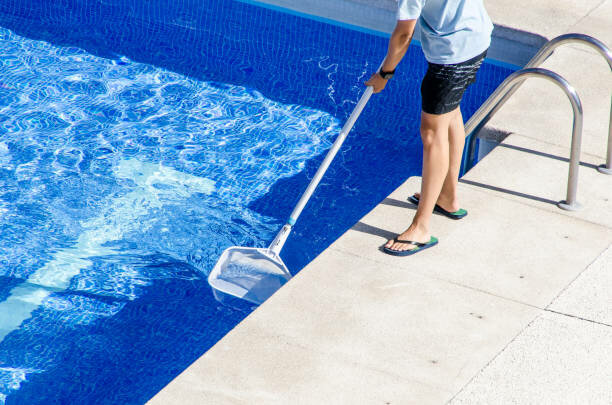
Why Regular Pool Maintenance Matters
Pool water can collect leaves, insects, dust, and other debris, even when the pool is not used every day. Without regular cleaning, this material can settle on the bottom, gather along the waterline, or contribute to water quality problems. Residential pool cleaning Terrace, WA gives homeowners a practical way to manage these everyday concerns before they become more difficult to address. Skimming the surface, brushing pool walls, vacuuming the floor, and checking the filtration system all contribute to better pool care. Chemical balance is equally important because clear water does not always mean the water is properly maintained. Regular attention helps identify changes early and keeps routine upkeep manageable. Instead of waiting until the pool looks dirty, homeowners can follow a schedule that supports cleaner water and a more inviting swimming environment.
Common Pool Cleaning Tasks
A complete pool cleaning routine involves more than removing visible leaves. Skimming clears floating debris, while brushing helps loosen dirt and algae from walls, steps, and corners. Vacuuming removes material that settles on the pool floor. The skimmer baskets and pump baskets should also be checked and emptied as needed to support proper water circulation. Neptune Pool & Spa can help homeowners understand which maintenance tasks deserve regular attention and how different parts of the pool work together. Water testing is another important step because chlorine levels, pH, and other chemical measurements can affect water quality and swimmer comfort. Each pool has different requirements depending on its size, equipment, surrounding landscape, and frequency of use. A suitable cleaning routine should account for these conditions instead of relying on appearance alone.
How Local Conditions Affect Pool Care
Outdoor pools are exposed to changing weather and the natural surroundings of a property. Wind can carry leaves, pollen, dust, and small branches into the water, while rain may introduce additional debris and affect the pool’s chemical balance. Temperature changes can also influence algae growth and the amount of maintenance a pool needs. Residential pool cleaning Terrace, WA should take these conditions into account when establishing a suitable care schedule. Homeowners can reduce some cleaning demands by trimming nearby vegetation, keeping pool covers in good condition, and removing debris before it settles. After storms or periods of heavy wind, checking the water and equipment can help reveal problems that need attention. Adjusting the maintenance routine to match the weather and the pool’s surroundings makes it easier to maintain good water quality throughout the swimming season.
Recognizing Early Signs of Pool Problems
Small changes in a pool can provide useful clues about its condition. Cloudy water may indicate filtration problems, poor circulation, or an imbalance in water chemistry. Green patches on pool walls can suggest algae growth, while unusual odors may signal that the water chemistry needs testing. A pump that makes unfamiliar noises or a filter that struggles to maintain circulation may also need inspection. Pool cleaning can help homeowners keep track of these changes through routine cleaning and equipment checks. Early attention is useful because ignoring a developing problem may lead to more extensive cleaning or repairs. If water quality changes suddenly, swimmers should stay out until the cause has been identified and the water is confirmed to be safe. Pool chemicals should always be handled and stored according to their product instructions.
Keeping Pool Equipment in Good Condition
Pool equipment plays an important role in maintaining clean water. Pumps move water through the circulation system, while filters help remove particles that would otherwise remain in the pool. When baskets become clogged or filters need attention, water circulation can suffer. Homeowners should follow the manufacturer’s guidance for cleaning filters, checking equipment, and arranging professional inspections when necessary. Neptune Pool & Spa can help pool owners understand the importance of routine maintenance and recognize when equipment may need additional attention. It is also helpful to look for visible leaks, damaged hoses, loose fittings, or unusual changes in water flow. Equipment should be switched off before appropriate maintenance is performed, following manufacturer safety instructions. Keeping the circulation system in good condition supports the overall cleaning routine and helps prevent avoidable interruptions during the swimming season.
FAQs
Q1. How often should a residential swimming pool be cleaned?
Ans. Most pools benefit from frequent skimming and regular brushing, vacuuming, and water testing. The exact schedule depends on weather, pool usage, surrounding trees, and the type of filtration system.
Q2. Why does pool water become cloudy?
Ans. Cloudy water can result from poor filtration, inadequate circulation, debris, or unbalanced chemicals. Testing the water and checking the filtration system can help identify the cause.
Q3. How can homeowners prevent algae growth?
Ans. Maintain proper sanitizer levels, brush pool surfaces regularly, keep the water circulating, and remove debris. If algae appears, identify the cause and follow appropriate treatment guidance.
Q4. Does rain affect swimming pool water?
Ans. Yes. Rain can introduce debris and change water chemistry. Testing the water after heavy rainfall can help determine whether adjustments are needed.
Q5. When should pool equipment be inspected?
Ans. Equipment should be checked regularly for unusual noises, leaks, reduced water flow, or visible damage. Persistent problems should be assessed by a qualified pool professional.
Conclusion
A clean swimming pool depends on regular care, balanced water chemistry, and equipment that operates as intended. Homeowners who establish a practical maintenance schedule can manage everyday debris, identify developing problems, and keep their outdoor swimming areas more enjoyable. Consistent cleaning also helps prevent minor concerns from turning into larger maintenance tasks. Whether a pool is used daily during summer or only on selected weekends, its care should reflect the weather, surrounding landscape, and number of swimmers. Neptune Pool & Spa can help homeowners understand their pool maintenance needs and keep routine care on track. By paying attention to water quality, cleaning pool surfaces, and checking equipment regularly, homeowners can protect their investment and enjoy a cleaner, more inviting backyard swimming space.