
GlycoShield Review: Ingredients, Benefits, How It Works, Price, Reviews & Safety
Maintaining healthy blood sugar levels is an important part of overall wellness. Glucose provides energy for the body, but the way the body manages glucose can be influenced by diet, physical activity, sleep, stress, genetics, medications, and existing health conditions. Because of this, many people are interested in nutritional supplements that are marketed for blood sugar balance, appetite control, and metabolic wellness.
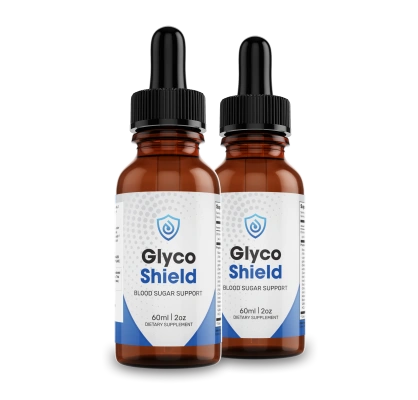
GlycoShield is a dietary supplement marketed in the United States as a natural wellness formula for supporting healthy blood sugar levels, steady energy, sugar-craving management, and general metabolic health. According to the product information supplied for this review, its formula contains eight ingredients: Berberine, Gymnema Sylvestre, Cinnamon Bark Extract, Fenugreek, Alpha-Lipoic Acid, Bitter Melon, Chromium, and White Mulberry Leaf.
The manufacturer presents GlycoShield as a convenient addition to a healthy lifestyle. Its marketing materials associate the product with improved glucose balance, energy, focus, weight management, mood, circulation, and cardiovascular wellness.
However, it is important to distinguish product marketing from established clinical evidence. Some GlycoShield ingredients have been studied in people, but research quality varies considerably. A dietary supplement should also never be considered a replacement for prescribed diabetes treatment or professional medical advice.
This comprehensive GlycoShield review examines the product, its ingredients, proposed benefits, how it is intended to work, customer experiences, safety considerations, pricing information, money-back guarantee, and frequently asked questions.
What Is GlycoShield?
GlycoShield is a dietary supplement designed and marketed around the concept of blood sugar and metabolic support.
According to the supplied product information, the formula is intended for adults who want to support a more balanced daily routine while paying attention to sugar cravings, energy levels, and overall wellness.
The product page suggests that GlycoShield may be useful for people who experience concerns such as:
- Frequent sugar cravings
- Energy fluctuations
- Afternoon tiredness
- Difficulty maintaining healthy eating habits
- Interest in metabolic wellness
- Desire for additional nutritional support
- General weight-management goals
The formula combines several botanical ingredients with chromium and alpha-lipoic acid. Some of these ingredients have been investigated for their possible effects on glucose metabolism, insulin sensitivity, or post-meal blood glucose.
However, having multiple glucose-related ingredients in a supplement does not mean the finished product has been clinically proven to control blood sugar. The effectiveness of a particular formula depends on the amounts, extract forms, quality, and combination of ingredients used.
The supplied material does not provide complete dosages for the eight ingredients, which is an important limitation when evaluating GlycoShield.
How Does GlycoShield Work?
GlycoShield is marketed as a formula that helps the body maintain balanced blood sugar throughout the day.
The general concept is that certain nutrients and plant compounds may influence different aspects of glucose metabolism. For example, berberine has been studied for its possible effects on blood glucose, while chromium plays a role in insulin action and carbohydrate metabolism. Other ingredients, including cinnamon, fenugreek, bitter melon, and mulberry leaf, have also been researched for glucose-related outcomes.
However, the available evidence is not strong enough to conclude that dietary supplements can reliably manage or prevent type 2 diabetes. The National Center for Complementary and Integrative Health notes that some supplements, including chromium, cinnamon, and berberine, may show possible benefits in some studies, but limitations and inconsistent findings prevent firm conclusions.
Therefore, GlycoShield should be viewed as a supplement intended to complement healthy habits, not as a medication for blood sugar disorders.
A person’s daily glucose patterns are influenced by what and how much they eat, physical activity, sleep, stress, body composition, genetics, and medications. A supplement cannot independently override all of these factors.
GlycoShield Ingredients
The supplied product page lists eight main ingredients. Here is what is known about each one and how it relates to the product’s positioning.
1. Berberine
Berberine is a naturally occurring compound found in several plants, including barberry and goldenseal. It has become particularly popular in supplements marketed for metabolic health.
Research has investigated berberine for blood glucose, cholesterol, blood pressure, and body-weight outcomes. NCCIH notes that there is some evidence of a modest blood-glucose-lowering effect in people with type 2 diabetes, but there is not enough rigorous evidence to establish berberine as an effective weight-loss supplement. Studies have also varied substantially in dose, formulation, and participant health status.
Berberine can cause gastrointestinal side effects such as nausea, abdominal discomfort, constipation, diarrhea, and bloating. It can also interact with medications. It should not be used during pregnancy or breastfeeding without appropriate medical guidance.
For GlycoShield, berberine is one of the more significant ingredients because of its association with glucose metabolism, but its presence should not be interpreted as proof that the finished product treats diabetes.
2. Gymnema Sylvestre
Gymnema sylvestre is a traditional botanical that has been studied for metabolic and glucose-related applications.
The product page describes it as an ingredient that may help with sugar cravings and glucose balance. Gymnema contains compounds known as gymnemic acids, which have been investigated for their effects on taste perception and glucose metabolism.
Nevertheless, the evidence for herbal supplements in diabetes remains limited overall. NCCIH specifically notes that research on herbal products such as fenugreek, bitter melon, and other botanicals has generally been limited in quality and has not established them as effective diabetes treatments.
Therefore, Gymnema can be described as a botanical ingredient with research interest rather than a clinically proven treatment for high blood sugar.
3. Cinnamon Bark Extract
Cinnamon is one of the most familiar ingredients in blood sugar supplements.
Some clinical studies have investigated whether cinnamon supplementation can influence fasting blood glucose or other metabolic markers. Results, however, have been inconsistent. NCCIH states that research does not clearly support cinnamon supplementation for diabetes or weight loss and that differences in cinnamon species, extracts, doses, and study design make the evidence difficult to interpret.
The type of cinnamon also matters. Cassia cinnamon contains varying amounts of coumarin, which can be problematic in large amounts, particularly for people with liver disease.
GlycoShield therefore should not be promoted as a guaranteed way to prevent glucose spikes simply because it contains cinnamon.
4. Fenugreek
Fenugreek is a plant traditionally used as both a food ingredient and herbal remedy. Its seeds contain fiber and other plant compounds that have attracted research interest.
The supplied product page associates fenugreek with slower carbohydrate absorption and appetite management.
Some research suggests fenugreek may lower blood sugar in people with type 2 diabetes, but NCCIH notes that many studies have limitations and that there is not enough high-quality evidence to determine its effectiveness conclusively.
Fenugreek can cause digestive symptoms, and larger amounts may lower blood sugar excessively. It can also interact with medications. Importantly, medicinal amounts of fenugreek should be avoided during pregnancy because of potential risks.
5. Alpha-Lipoic Acid
Alpha-lipoic acid, commonly abbreviated as ALA, is an antioxidant compound naturally produced by the body.
It is often included in supplements designed around metabolic or nerve health. The product information suggests that ALA may help support glucose utilization and protect against oxidative stress.
However, research does not establish ALA as a reliable blood sugar-control supplement. NCCIH notes that ALA has been studied particularly for diabetic neuropathy symptoms, but evidence is insufficient to conclude that it improves overall diabetes control.
Consequently, ALA may contribute to the formula’s antioxidant positioning, but it should not be described as a replacement for glucose-lowering medication.
6. Bitter Melon
Bitter melon is a traditional food and botanical that has been studied for potential effects on glucose metabolism.
The product page describes bitter melon as an ingredient that may help the body use glucose more efficiently.
Laboratory and preliminary human research has produced interest in bitter melon, but authoritative reviews conclude that evidence remains limited. NCCIH specifically lists bitter melon among herbal supplements investigated for diabetes but states that research has not proven these herbal products effective.
People taking glucose-lowering medications should be particularly cautious because combining multiple glucose-lowering agents can potentially result in blood sugar becoming too low.
7. Chromium
Chromium is an essential trace mineral involved in carbohydrate, fat, and protein metabolism. It has been studied extensively in relation to insulin function.
The evidence, however, is mixed.
The NIH Office of Dietary Supplements explains that clinical studies have produced inconsistent findings regarding chromium and diabetes. While some studies show small improvements in certain glucose measures, the overall clinical significance remains uncertain. Research on weight loss has found only a very small benefit that is unlikely to make a meaningful difference in health or appearance.
Chromium can also interact with insulin, metformin, and other diabetes medications and may increase the risk of low blood sugar when combined with them. It may also interfere with levothyroxine absorption.
People with kidney or liver disease should be especially cautious with high supplemental chromium intake.
8. White Mulberry Leaf
White mulberry leaf has been investigated for its potential effect on post-meal glucose levels.
Some research suggests that mulberry leaf extracts may reduce postprandial glucose and insulin responses. A 2023 systematic review and meta-analysis of 12 clinical trials involving 615 participants reported improvements in several glycemic measures, although the researchers emphasized the need for further research.
NCCIH similarly states that clinical evidence is still limited and that some studies have found benefits while others have not. Digestive symptoms such as bloating, gas, constipation, and loose stools have been reported, and there may be a risk of low blood sugar when white mulberry is combined with diabetes medication.
This makes white mulberry an interesting ingredient, but not a substitute for clinically established diabetes management.
Potential Benefits of GlycoShield
The manufacturer associates GlycoShield with a wide range of benefits. Some of these are reasonable wellness goals, while others should be interpreted more cautiously.
Supports Healthy Blood Sugar
The primary positioning of GlycoShield is blood sugar support.
Several ingredients in the formula have been studied in relation to glucose metabolism. However, current evidence does not establish that the complete GlycoShield formula can reliably normalize blood sugar or treat diabetes.
People with diagnosed diabetes should continue following their healthcare provider’s treatment plan.
May Help With Sugar Cravings
GlycoShield is also marketed for sugar-craving management.
The product’s combination of Gymnema, fenugreek, chromium, and other ingredients is intended to support a more balanced approach to eating.
Cravings can have many causes, including insufficient sleep, restrictive dieting, stress, meal composition, habits, and emotional factors. A supplement should therefore be viewed as an optional component rather than a guaranteed craving-control solution.
Supports Everyday Energy
The manufacturer connects stable glucose metabolism with more consistent energy.
In practice, energy levels can be affected by numerous factors. Poor sleep, inadequate food intake, dehydration, stress, anemia, thyroid disorders, medications, and other health conditions can all contribute to fatigue.
If persistent tiredness continues, investigating the underlying cause is more appropriate than assuming it results from unstable blood sugar.
Supports Metabolic Wellness
GlycoShield contains several ingredients commonly associated with metabolic health.
Berberine, chromium, cinnamon, fenugreek, and bitter melon have all been studied in metabolic contexts, although the strength of evidence differs substantially between ingredients.
The formula can therefore reasonably be described as a metabolic-support supplement, while avoiding claims that it produces a specific medical outcome.
May Complement Weight-Management Efforts
The supplied page connects balanced glucose with weight management.
Healthy eating and regular physical activity are important components of maintaining body weight. However, GlycoShield should not be presented as a fat-burning product that guarantees weight loss.
Chromium research, for example, has found only a very small average effect on body weight and body fat, with little clinical significance.
Berberine research has generated interest in weight-related outcomes, but NCCIH states that higher-quality evidence is still needed.
Supports General Wellness
The combination of botanical ingredients, a trace mineral, and an antioxidant compound gives GlycoShield a broad nutritional-support profile.
For healthy adults, such a formula may be considered as an optional addition to an established wellness routine, provided its ingredients are appropriate for the individual.
GlycoShield Reviews
The supplied website features three customer testimonials from Sarah M. in California, John D. in Texas, and Linda T. in Florida.
Sarah reports feeling more in control of cravings and describes improved energy. John describes fewer energy slumps and better focus. Linda reports feeling more balanced, sleeping better, and experiencing improved daily energy.
These accounts may reflect genuine personal experiences, but they should be regarded as anecdotal testimonials rather than clinical evidence.
A testimonial cannot determine whether GlycoShield caused a particular result because factors such as diet, exercise, sleep, lifestyle changes, other supplements, and medications may also contribute.
There is also no indication in the supplied material that these customer experiences represent a controlled clinical study.
For this reason, potential customers should evaluate the product based on its complete ingredient list, disclosed dosages, available research, safety considerations, and their own health needs rather than relying exclusively on testimonials.
GlycoShield Safety and Side Effects
Because GlycoShield contains several ingredients that may influence glucose metabolism, safety is particularly important.
The most significant consideration is the possibility of blood sugar becoming too low when multiple glucose-lowering ingredients are combined with diabetes medication.
Berberine can interact with medicines and may cause gastrointestinal problems.
Fenugreek can also lower blood sugar, cause digestive symptoms, and interact with medicines.
Chromium may interact with insulin and other diabetes medications, potentially increasing the risk of hypoglycemia.
White mulberry may similarly present a low-blood-sugar concern when combined with diabetes medication.
Cinnamon requires additional consideration because large amounts of cassia cinnamon can expose users to coumarin, which may be problematic for some people with liver disease.
Because of these considerations, anyone with diabetes, prediabetes, kidney disease, liver disease, or another chronic condition should discuss GlycoShield with a healthcare professional before use.
People who are pregnant or breastfeeding should also seek individualized advice. In particular, NCCIH advises against medicinal amounts of fenugreek during pregnancy and warns about berberine exposure during pregnancy and breastfeeding.
Is GlycoShield a Treatment for Diabetes?
No dietary supplement should be presented as a replacement for diabetes treatment.
The National Center for Complementary and Integrative Health states that there is not enough scientific evidence to show that dietary supplements can manage or prevent type 2 diabetes. It also advises people with diabetes to talk with their healthcare provider before using supplements because interactions with medications can occur.
This is especially important for GlycoShield because several of its ingredients may influence glucose metabolism.
Someone taking insulin, metformin, sulfonylureas, or other glucose-lowering medications should not independently add GlycoShield in an attempt to improve blood sugar without discussing it with their healthcare professional.
Likewise, GlycoShield should not be used to replace prescribed medication.
How Should GlycoShield Be Used?
The supplied product page does not provide a complete, clearly stated dosage schedule in the information provided here.
For that reason, users should follow the serving instructions printed on the current product label or official packaging.
Taking more than the recommended amount is not a sensible strategy for obtaining faster results. With ingredients that may influence blood glucose, increasing the dose could potentially increase side effects or medication interactions.
GlycoShield should also be viewed as an optional supplement rather than the foundation of a blood sugar-management plan.
A balanced diet containing appropriate portions of carbohydrates, protein, fiber, vegetables, and healthy fats, along with regular physical activity and adequate sleep, remains central to metabolic wellness.
GlycoShield Price and Money-Back Guarantee
The supplied GlycoShield website advertises a promotional price of $49.
The exact package structure, shipping charges, and current promotional terms should be checked on the checkout page because online supplement pricing can change.
The product page also advertises a 60-day money-back guarantee. According to the supplied information, customers who are not satisfied can request a refund within the stated 60-day period.
The guarantee can provide additional purchasing flexibility, but customers should read the current refund conditions before ordering because return procedures and eligibility requirements can change.
Pros and Cons of GlycoShield
Potential Pros
- Designed around blood sugar and metabolic wellness
- Contains eight botanical and nutritional ingredients
- Includes berberine, a well-researched metabolic compound
- Includes chromium, an essential trace mineral involved in insulin action
- Contains several ingredients studied for glucose-related effects
- Convenient daily supplement format
- Advertised 60-day money-back guarantee
- Promotional price listed at $49
Potential Cons
- Exact ingredient dosages are not provided in the supplied material
- The complete formula has not been established as a diabetes treatment
- Evidence for individual ingredients varies considerably
- Multiple ingredients may influence blood glucose
- Potential medication interactions require attention
- Testimonials are anecdotal
- Weight-management claims should be kept realistic
- It should not replace prescribed diabetes medication
Who Might Consider GlycoShield?
GlycoShield may appeal to adults who are interested in adding a nutritional supplement to an already healthy lifestyle and who want a formula centered around metabolic and glucose-related ingredients.
However, people with diagnosed diabetes or prediabetes should approach such products more carefully.
If blood glucose is consistently elevated, the priority should be appropriate medical evaluation and evidence-based management rather than relying on supplements.
Likewise, people experiencing unexplained fatigue, excessive thirst, frequent urination, unexplained weight changes, or other persistent symptoms should speak with a healthcare professional.
A supplement is most appropriately viewed as an optional part of a broader wellness strategy, not as a shortcut to metabolic health.
Frequently Asked Questions
What is GlycoShield?
GlycoShield is a dietary supplement marketed to support healthy blood sugar levels, energy, sugar-craving management, and metabolic wellness. Its supplied formula contains eight ingredients: berberine, Gymnema sylvestre, cinnamon bark extract, fenugreek, alpha-lipoic acid, bitter melon, chromium, and white mulberry leaf.
Can GlycoShield lower blood sugar?
Some of its individual ingredients have been studied for possible glucose-lowering effects, but research remains mixed. The complete GlycoShield formula has not been established as a treatment for high blood sugar or diabetes.
Can GlycoShield replace diabetes medication?
No. Dietary supplements should not replace prescribed diabetes treatment. People with diabetes should discuss any supplement with their healthcare provider before use.
Can GlycoShield help reduce sugar cravings?
The manufacturer markets GlycoShield for craving support, and ingredients such as Gymnema and fenugreek have been investigated in metabolic research. However, there is not enough evidence to guarantee that the finished product will reduce cravings for every user.
Does GlycoShield help with weight loss?
The product is positioned partly around weight management. Some ingredients have been researched for weight-related effects, but evidence is limited or inconsistent. Chromium, for example, appears to have only a very small effect on body weight in clinical research.
Is GlycoShield safe for everyone?
No supplement can be assumed to be appropriate for everyone. People taking diabetes medication, insulin, thyroid medication, or other prescription drugs should seek professional advice before using GlycoShield.
What is the GlycoShield price?
The supplied website advertises GlycoShield at $49. Current pricing, shipping, and package details should be confirmed on the official checkout page.
Does GlycoShield have a money-back guarantee?
Yes. The supplied product page advertises a 60-day money-back guarantee. Customers should review the current terms before purchasing.
Final Thoughts on GlycoShield
GlycoShield is marketed as a natural supplement for blood sugar balance, energy, cravings, and metabolic wellness. Its formula combines eight ingredients with varying levels of scientific research: Berberine, Gymnema Sylvestre, Cinnamon Bark Extract, Fenugreek, Alpha-Lipoic Acid, Bitter Melon, Chromium, and White Mulberry Leaf.
There is legitimate scientific interest in several of these ingredients. Berberine has been studied for glucose and metabolic outcomes, chromium plays a role in insulin action, and white mulberry has shown some promising findings for post-meal glucose in clinical research. Cinnamon, fenugreek, and bitter melon have also been studied, although evidence remains inconsistent or insufficient for firm conclusions.
At the same time, it would be inaccurate to describe GlycoShield as a proven treatment for diabetes or as a guaranteed method for controlling blood sugar.
One of the most important limitations is that the supplied product information does not disclose the amount of each ingredient. Dosage is critical when comparing a commercial supplement with scientific studies.
Safety is another major consideration. Because several ingredients may affect glucose metabolism, GlycoShield could potentially interact with insulin or other diabetes medications. Chromium, berberine, fenugreek, and white mulberry each have specific safety or interaction considerations that should not be ignored.
The customer testimonials provided by the manufacturer describe positive experiences involving energy, cravings, focus, and general wellness. However, testimonials remain individual experiences and cannot establish clinical effectiveness.
For someone considering GlycoShield, the most responsible approach is to view it as an optional supplement that may complement healthy lifestyle habits, rather than a replacement for medical treatment. People with diabetes or other health conditions should consult their healthcare professional before adding it to their routine.
Ultimately, long-term blood sugar and metabolic health depend on a combination of factors, including nutrition, physical activity, sleep, stress management, body weight, genetics, and appropriate medical care. A supplement can be one small part of that picture, but it should not be expected to do all the work.