
How Can Engine Solutions Help Drivers Deal With Unexpected Engine Breakdowns?
Understanding Why Unexpected Engine Breakdowns Occur
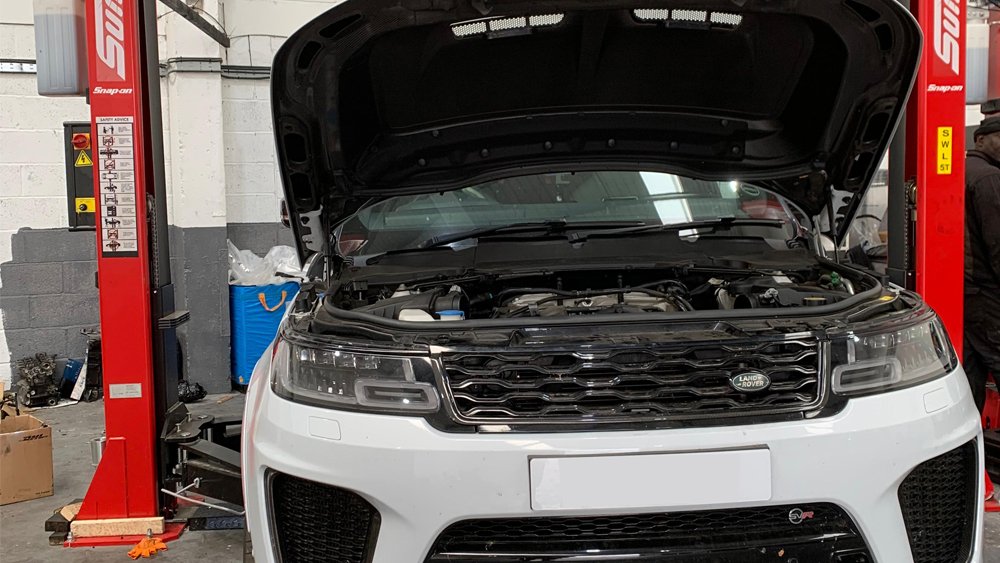
An unexpected engine breakdown can interrupt daily routines, delay important journeys, and create expensive repair requirements. These problems may develop because of overheating, lubrication failures, damaged internal components, fuel system faults, or neglected maintenance. Sometimes, an engine shows warning signs before a complete failure, while other problems appear suddenly. Drivers should understand that identifying the actual cause is more important than replacing components without proper testing. Professional Engine Solutions help technicians investigate mechanical faults, determine the extent of damage, and recommend suitable repair options. A correct diagnosis provides a clearer starting point for restoring vehicle performance.
Recognising Warning Signs Before the Vehicle Stops
Engines rarely operate without showing some indication of a developing problem. Drivers may notice unusual knocking, excessive vibration, smoke, fluid leaks, or sudden changes in acceleration. Dashboard warning lights can also indicate problems involving oil pressure, temperature, or engine management systems. Ignoring these symptoms may allow a relatively manageable fault to become more serious. Drivers should pay attention to changes in vehicle behaviour and arrange an inspection when something appears unusual. Experienced technicians use suitable Engine Solutions to investigate these symptoms and identify the components responsible for poor operation.
Taking the Right Steps During an Engine Emergency
When an engine begins making unusual noises, loses power, or shows signs of overheating, driver safety should come first. The driver should reduce speed when safe, move away from traffic, and stop in a suitable location. If the oil pressure warning appears or the Engine Solutions qoverheats, continuing to drive can cause extensive damage. Drivers should switch off the engine when appropriate and avoid opening a hot cooling system because pressurised coolant can cause serious burns. Roadside assistance may be necessary when the vehicle cannot move safely. Taking sensible action can prevent additional damage while professional help is arranged.
Finding the Actual Cause Through Professional Diagnosis
A breakdown does not always mean that the entire engine has failed. A vehicle may stop because of a damaged sensor, fuel pump problem, electrical fault, cooling system failure, or another component outside the engine’s main internal assembly. Technicians should inspect the vehicle carefully and use diagnostic equipment where necessary. They may also perform compression tests, leak inspections, and other mechanical checks to understand the condition of important components. Effective Engine Solutions focus on identifying the original cause rather than replacing parts based on assumptions. Accurate diagnosis helps owners avoid unnecessary expenses and choose an appropriate repair plan.
Deciding Between Engine Repair and Complete Replacement
Once technicians understand the problem, vehicle owners must decide whether repairing the existing engine offers better value than replacing it. Minor faults may require individual component repairs, while extensive internal damage can make a complete replacement more practical. The decision should consider labour expenses, replacement part availability, vehicle age, mileage, and expected future use. Owners should request a detailed estimate before approving major work. Professional advice can help compare both options fairly. A replacement engine may restore vehicle operation, but it must match the vehicle’s technical specifications and overall mechanical requirements.
Understanding the Importance of Quality Replacement Components
The quality of replacement components can influence engine reliability after repairs. Cheap or incompatible parts may create additional problems, especially when they do not meet the manufacturer’s specifications. Owners should ask technicians about component brands, part numbers, condition, and warranty coverage. Depending on the repair, suitable parts may include gaskets, seals, bearings, pumps, belts, or other mechanical components. Professional Engine Solutions consider compatibility and expected operating conditions before recommending replacements. Selecting appropriate components helps protect the repaired engine and reduces the likelihood of repeat failures caused by unsuitable parts.
Preparing the Vehicle for a Safe Engine Reinstallation
Engine replacement involves several connected systems that must work together correctly. Technicians need to check mounting points, wiring connections, fuel lines, cooling components, exhaust connections, and transmission compatibility. They should also inspect related components that may have contributed to the original engine failure. Incorrect installation can lead to leaks, vibrations, warning lights, and poor performance. Following suitable workshop procedures helps ensure that the replacement engine fits and operates correctly. Owners should choose experienced technicians who understand the specific vehicle model and can explain the work completed during the installation process.
Testing Engine Performance After Completing Repairs
Repair work should not finish as soon as the engine starts. Technicians need to check fluid levels, inspect for leaks, monitor operating temperatures, and confirm that electronic systems function correctly. Depending on the repair, they may perform diagnostic scans and controlled road tests to assess performance under normal conditions. Unusual noises, warning lights, smoke, or irregular operation should receive further investigation before the vehicle returns to regular use. Proper testing allows technicians to identify installation problems early and confirm that the repair meets the vehicle’s operational requirements.
Understanding Repair Documentation and Warranty Coverage
Vehicle owners should receive clear information about the repairs performed, components installed, and any additional work recommended. Invoices and service reports provide useful records for future maintenance and help explain the vehicle’s repair history. When an BMW Engines or major component includes a warranty, owners should understand its duration, coverage, and conditions. Some warranties may exclude damage caused by overheating, poor maintenance, or incorrect installation. Asking questions before approving the work can prevent misunderstandings later. Clear documentation also makes it easier to arrange future servicing and evaluate the quality of previous repairs.
Preventing Similar Engine Problems in the Future
After an unexpected breakdown, owners should focus on reducing the risk of another failure. Regular oil changes, correct coolant levels, timely filter replacements, and prompt attention to warning signs can support reliable engine operation. Drivers should also follow the manufacturer’s service recommendations and avoid operating vehicles with serious mechanical warnings. If a previous breakdown resulted from overheating, lubrication failure, or another specific problem, technicians should explain how to prevent it from happening again. Consistent maintenance and professional inspections help protect the engine, improve vehicle dependability, and reduce the chances of another unexpected interruption.