
Veneers Dubai: How Are Facial Features Considered When Planning Veneers?
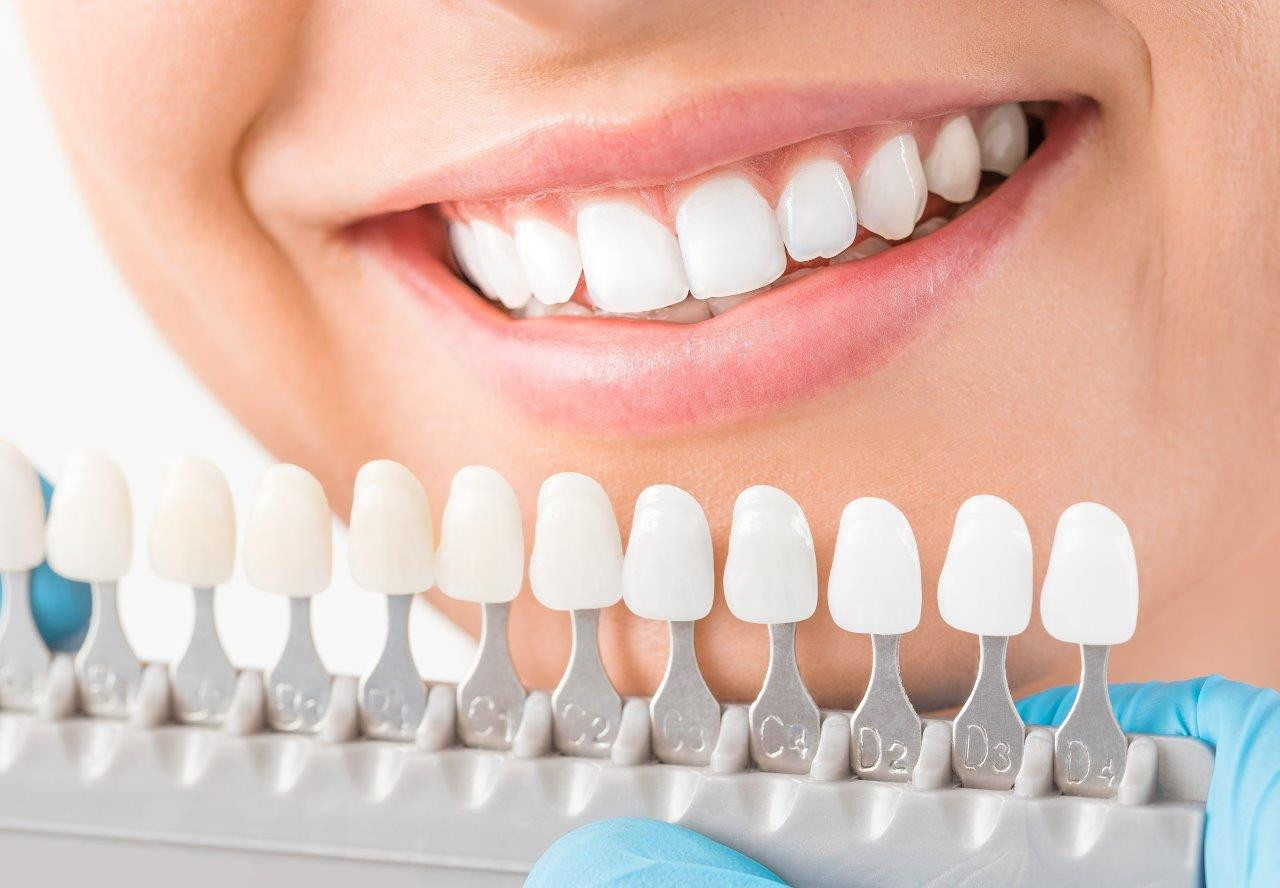
Veneers are designed to improve the appearance of teeth while maintaining a natural relationship with the rest of the face. Although veneers are placed directly on the teeth, their shape, size, colour, and proportions can influence the overall appearance of a smile. For this reason, planning veneers involves more than simply selecting a preferred tooth shade.
During a consultation for Veneers Dubai, the dentist may consider a range of facial features when developing an individual treatment plan. Facial proportions, lip shape, smile line, tooth visibility, facial symmetry, and the relationship between the teeth and surrounding structures can all contribute to veneer planning.
At Cornerstone, the consultation can provide an opportunity to discuss aesthetic preferences while allowing the dentist to assess how the proposed veneers may complement the patient’s existing facial features. A personalised approach helps create a smile design that works with the individual’s natural characteristics rather than treating the teeth as an isolated feature.
Why Facial Features Matter When Planning Veneers
A smile is part of the overall face. When a person smiles, the teeth interact visually with the lips, cheeks, jaw, and other facial features.
If veneers are designed without considering these relationships, their proportions may appear disconnected from the rest of the face. Instead, the dentist can evaluate the smile in the context of the patient’s facial structure.
This does not mean that there is one ideal veneer shape for everyone. Different facial characteristics can influence the design choices that are discussed during consultation.
Assessing Overall Facial Proportions
Facial proportions can provide useful references when planning the size and shape of veneers. The dentist may look at the relationship between different areas of the face and consider how the teeth appear within that framework.
For example, the width and height of the teeth can be considered alongside the overall facial proportions. This helps guide decisions about whether a proposed tooth shape looks appropriately balanced.
The objective is to create a smile that complements the individual’s existing appearance rather than applying exactly the same design to every patient.
Considering Facial Symmetry
Facial symmetry is another consideration during smile planning. The dentist may examine the relationship between the left and right sides of the face and how the smile sits within that structure.
Natural faces are not perfectly symmetrical, so veneer planning does not necessarily aim to create absolute symmetry. Instead, the dentist may consider how the teeth can be positioned and shaped to produce a visually harmonious result.
This assessment can be especially relevant when several front teeth are being treated.
Looking at the Lip Shape
The lips frame the teeth and have a significant influence on how veneers appear when a person smiles or speaks.
The dentist may consider the natural shape and movement of the upper and lower lips. Lip position can affect how much of the teeth are visible at rest and during different types of smiles.
Understanding these characteristics can help the dentist plan veneer length, tooth proportions, and the visible relationship between the teeth and lips.
Evaluating the Smile Line
The smile line describes the relationship between the upper teeth and the lower lip when smiling. It can provide useful information when planning the shape and length of veneers.
The dentist may evaluate how much of the teeth becomes visible during a natural smile and how the edges of the teeth relate to the lower lip.
This helps the dentist develop a veneer design that works with the patient’s existing smile dynamics.
Considering Tooth Visibility at Rest
The amount of tooth visible when the lips are relaxed can also contribute to veneer planning.
Some people naturally display more of their front teeth when their lips are at rest, while others show less. Age, lip position, facial structure, and individual characteristics can influence this appearance.
The dentist may consider these factors when discussing veneer length and overall tooth proportions.
Evaluating the Relationship Between Teeth and Lips
The relationship between the teeth and lips is particularly important for aesthetic planning. Veneers may change the visual proportions of the smile, so the dentist considers how the proposed tooth design fits within the existing lip frame.
The shape of the teeth can influence how the smile appears when the lips move naturally.
Rather than focusing exclusively on individual teeth, the dentist can assess the complete smile to understand how the planned veneers will interact with the surrounding facial features.
Considering the Shape of the Face
Different facial shapes can create different visual relationships with the teeth. During consultation, the dentist may consider the general facial outline when discussing tooth shape and proportions.
For example, the proposed contours of veneers may be designed to complement the existing facial appearance rather than creating a shape that looks unrelated to it.
The dentist may discuss whether the desired tooth design should appear softer, more defined, broader, narrower, longer, or shorter based on the patient’s preferences and facial characteristics.
Evaluating the Width of the Smile
The width of the smile can influence how many teeth are visible and how the smile relates to the face.
The dentist may evaluate the visible dental arch and the relationship between the front teeth and the corners of the mouth. This can help guide the overall arrangement and proportions of veneers.
A wider or narrower smile may call for different design considerations, depending on the patient’s natural anatomy and aesthetic goals.
Examining the Shape of Existing Teeth
Before planning veneers, the dentist may examine the patient’s existing tooth shape and proportions. The current teeth provide important information about the changes that can be considered.
The dentist may assess tooth width, height, contours, angles, and relationships with neighbouring teeth.
This information can then be combined with facial analysis to develop a veneer design that appears consistent with the patient’s features.
Considering the Midline of the Face and Smile
The dental midline is another important consideration in smile design. The dentist may examine the relationship between the centre of the upper front teeth and the centre of the face.
The position of the dental midline can influence how balanced the smile appears.
When veneers are planned for multiple front teeth, the dentist may consider the relationship between the dental midline, facial features, and existing tooth positions.
Looking at Tooth Proportions
The proportions between tooth width and height can influence the overall appearance of a smile. The dentist may assess whether the proposed veneer dimensions complement the patient’s facial characteristics.
Very long, very short, narrow, or broad tooth shapes can produce different visual effects.
During a Veneers Dubai consultation, these proportions can be discussed alongside the patient’s preferred appearance, helping establish a design that feels appropriate for the individual.
Considering the Colour of the Veneers
Colour is another part of veneer planning, but selecting a shade involves more than choosing the brightest available option.
The dentist may consider the natural appearance of the patient’s teeth, complexion, facial features, and surrounding teeth when discussing an appropriate shade.
The goal can be to create a colour that looks harmonious with the overall appearance of the smile and face.
Evaluating the Natural Smile
A natural smile provides important information for treatment planning. The dentist may observe how the lips move, how much of the teeth becomes visible, and how the smile changes during different expressions.
Photographs or digital records may also be used to assess the smile from different perspectives.
This broader evaluation can help the dentist understand how veneers may interact with the patient’s natural expressions.
Considering Facial Expressions
A smile is dynamic rather than static. Teeth may appear different when a person speaks, laughs, smiles gently, or makes other facial expressions.
For this reason, veneer planning may consider how the teeth are likely to appear during normal facial movement.
The dentist can discuss the patient’s expectations and assess the smile in different positions to help create a more natural-looking design.
Discussing Personal Aesthetic Preferences
Facial analysis provides useful clinical information, but the patient’s preferences remain an important part of the consultation.
Some patients may prefer subtle changes that closely resemble their natural teeth, while others may want more noticeable changes in tooth shape, colour, or proportions.
The dentist can discuss these preferences alongside the facial assessment to determine which design features are appropriate to consider.
Using Digital Smile Planning
Digital technology can assist with the visualisation and planning of veneers. Depending on the clinic’s approach, digital photographs, scans, and other records may be used to analyse the smile.
Digital planning can help the dentist evaluate tooth proportions and their relationship with the lips and surrounding facial features.
It can also provide a useful way to discuss potential design options before the final treatment plan is established.
Considering the Relationship Between Upper and Lower Teeth
Veneer planning may involve assessing both the upper and lower teeth, even when treatment is primarily focused on one arch.
The dentist may consider how the upper teeth relate to the lower teeth during smiling and normal mouth movement.
This can help establish appropriate tooth length, position, and proportions while maintaining a balanced overall appearance.
How Veneer Cost Is Discussed
Patients researching Veneers Cost in Dubai may notice that prices can vary depending on the type and number of veneers, materials, laboratory processes, digital planning, and the complexity of the treatment.
The exact cost is generally determined after the dentist has evaluated the teeth and discussed the patient’s treatment goals.
A consultation at Cornerstone can provide an opportunity to understand which veneer options may be appropriate and what factors contribute to the overall treatment cost.
Why Individualised Veneer Planning Matters
There is no single veneer design that suits every face. Facial proportions, lip position, tooth visibility, existing tooth shape, smile width, and personal preferences can all differ from one patient to another.
Individualised planning allows the dentist to consider these differences before finalising the design.
This approach can help ensure that the veneers are planned as part of the complete smile rather than as separate dental coverings.
What Happens During the Consultation?
The consultation generally begins with a discussion about the patient’s expectations and reasons for considering veneers. The dentist can then examine the teeth and evaluate the smile and surrounding facial features.
Depending on the treatment plan, photographs, digital scans, or other records may be taken. The dentist can discuss tooth shape, proportions, colour, material, and the number of teeth that may be considered for treatment.
The patient can also ask questions about the process and Veneers Cost in Dubai before deciding how to proceed.
Conclusion
Planning Veneers Dubai involves more than selecting a tooth colour or shape. Facial features can provide important references for developing a smile design that complements the patient’s natural appearance.
The dentist may consider facial proportions, symmetry, lip shape, smile line, tooth visibility, facial outline, smile width, dental midline, tooth proportions, and natural facial expressions. These factors can be considered alongside the condition and appearance of the existing teeth.
At Cornerstone, a personalised consultation can help connect the patient’s aesthetic goals with the characteristics of their smile and face. Understanding these factors can also help patients make informed decisions about veneer design and Veneers Cost in Dubai.
FAQs
How are facial features considered when planning veneers?
The dentist may assess facial proportions, symmetry, lip position, smile line, tooth visibility, facial shape, and the relationship between the teeth and surrounding facial structures.
Why are facial proportions important for veneers?
Facial proportions can help guide the size, shape, and overall appearance of the veneers so that the smile complements the patient’s natural facial structure.
Does lip shape affect veneer planning?
Yes. The lips frame the smile, so their shape and movement may be considered when determining tooth length, visibility, and overall veneer proportions.
What is a smile line?
A smile line describes the relationship between the visible upper teeth and the lower lip during smiling. It can provide useful information when planning the shape and length of veneers.
Does the dentist examine the face before veneers?
The dentist may consider facial characteristics as part of the overall smile assessment. This can include facial proportions, symmetry, lip position, and the relationship between the smile and the face.
Can facial symmetry influence veneer design?
Yes. The dentist may consider the relationship between the facial midline and dental midline when planning veneers, particularly for the front teeth.
Does the shape of the face affect veneer selection?
Facial shape may be considered when discussing tooth contours and proportions. The aim is to develop a design that complements the individual’s existing facial characteristics.
Does tooth visibility at rest matter for veneers?
Yes. The amount of tooth visible when the lips are relaxed can provide information that helps guide veneer length and proportions.
How does the smile width affect veneer planning?
Smile width can influence how the teeth relate to the lips and corners of the mouth. The dentist may consider this when planning the number, position, and proportions of veneers.
Is tooth shape considered when planning veneers?
Yes. Existing tooth shape, width, height, contours, and proportions can all be assessed when developing a veneer design.
Does the dental midline matter for veneers?
The dental midline can influence the visual balance of the smile. The dentist may consider its relationship with the facial midline during veneer planning.
Are facial expressions considered during veneer planning?
They may be. The dentist can assess how the smile changes during natural expressions such as smiling and speaking to understand how the proposed veneer design may appear dynamically.
Can digital technology help plan veneers?
Digital photographs, scans, and smile-planning tools may be used to evaluate tooth proportions and their relationship with facial features.
How is the veneer colour selected?
The dentist may consider the existing teeth, surrounding smile, complexion, facial characteristics, and personal preferences when discussing an appropriate veneer shade.
Are veneers designed differently for every patient?
Veneer design can vary between patients because facial proportions, tooth shapes, lip position, smile width, and aesthetic preferences are individual.
What should I discuss during a veneers consultation?
You can discuss your preferred tooth shape, colour, proportions, smile appearance, treatment goals, material options, number of veneers, and Veneers Cost in Dubai.
How much do veneers cost in Dubai?
Veneers Cost in Dubai can vary according to factors such as the type of veneers, number of teeth being treated, materials, laboratory work, and treatment complexity. An individual consultation can provide more specific information.
Why is a personalised consultation important for veneers?
A personalised consultation allows the dentist to assess the teeth, facial features, smile characteristics, and individual aesthetic preferences before developing a veneer treatment plan.
How can facial features help create a natural-looking smile?
Facial features provide references for tooth size, shape, proportions, and visibility. Considering these relationships can help the dentist develop a smile design that works harmoniously with the patient’s existing appearance.