
AppaNail Review: Ingredients, Benefits, How It Works, Price, Reviews & Safety
Healthy-looking nails are often associated with good personal care, but nail condition can also be influenced by nutrition, aging, everyday exposure to water and chemicals, injuries, skin conditions, and infections. Brittle nails, peeling, rough surfaces, discoloration, and dry skin around the cuticles are common concerns that can make routine nail care frustrating.
AppaNail is marketed as a daily nail and foot wellness supplement designed to provide nutritional and botanical support from within. According to the product information supplied for this review, the formula combines ingredients such as guggul, turmeric, bitter melon, vitamin C, cinnamon, olive leaf, berberine, and juniper berry. The product is positioned as a convenient option for people who want to complement their regular nail-care routine with an oral supplement.
The manufacturer promotes AppaNail for stronger-looking nails, improved nail appearance, healthier cuticles, and support for the skin surrounding the nails. However, it is important to distinguish these marketing claims from what has actually been established through human clinical research. Individual ingredients may have biological properties, but that does not automatically demonstrate that the finished AppaNail formula can produce the specific nail-related results advertised.
This detailed AppaNail review examines its ingredients, proposed benefits, how the formula is intended to work, customer reviews, pricing, safety considerations, and frequently asked questions.
What Is AppaNail?
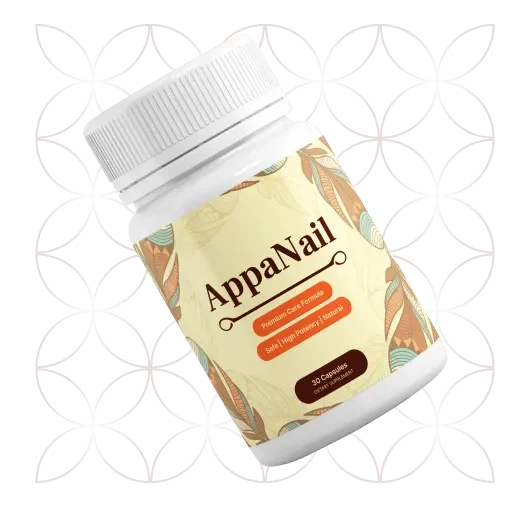
AppaNail is a dietary supplement marketed for nail and foot wellness. The supplied product page describes it as a natural formula intended to support stronger, healthier-looking nails while also caring for the skin around the fingers and toes.
Unlike topical nail products, AppaNail is taken internally. The concept behind the product is that providing selected nutrients and plant compounds can complement the body’s normal processes involved in maintaining healthy skin and nails.
The manufacturer specifically positions AppaNail for people concerned about:
- Brittle or easily broken nails
- Slow-growing nails
- Rough nail texture
- Dull-looking nails
- Dry cuticles
- Dry skin around the toes and fingers
- General nail and foot wellness
The product page also emphasizes convenience. Instead of adding several topical products to a daily routine, customers are offered a single supplement intended to become part of their regular wellness habits.
That said, nail problems can have many different causes. A supplement should not automatically be considered a treatment for an underlying nail disease, fungal infection, nutritional deficiency, or dermatological condition.
How Does AppaNail Work?
The basic idea behind AppaNail is nutritional and botanical support rather than direct topical treatment. The formula contains vitamin C and several plant-derived ingredients that the manufacturer believes can contribute to general nail and skin wellness.
One particularly relevant nutrient is vitamin C. The body needs vitamin C to produce collagen, a structural protein involved in connective tissue and wound healing. Vitamin C also functions as an antioxidant.
The other ingredients have different proposed roles. Turmeric contains curcuminoids and has been studied for antioxidant and inflammatory pathways, although evidence for many specific health applications remains insufficient to draw firm conclusions.
Berberine is another notable ingredient. It has been investigated for several metabolic and biological effects, but evidence does not establish it as a specific nail-growth or nail-fungus treatment. It can also interact with medicines, making safety an important consideration.
Therefore, the most reasonable way to understand AppaNail is as a general nail-support supplement, rather than a proven treatment that directly fixes the underlying cause of every nail problem.
Nails also grow slowly. Even when a person improves nutrition or addresses an underlying issue, visible changes may take time because healthier nail material must gradually replace older nail material.
AppaNail Ingredients
The supplied AppaNail source identifies eight main ingredients. However, it does not provide complete quantities for each ingredient. Without dosage information, it is difficult to determine whether the amount of each component corresponds to amounts used in clinical research.
1. Guggul
Guggul is a botanical resin traditionally used in various systems of traditional medicine. It contains compounds known as guggulsterones.
The AppaNail page associates guggul with circulation and nail nourishment. However, those claims should be viewed as product positioning rather than established evidence that guggul specifically increases nail growth or repairs brittle nails.
Because herbal ingredients can affect the body in different ways, people taking medications should check with a healthcare professional before using concentrated botanical supplements.
2. Turmeric
Turmeric, particularly its curcumin-containing compounds, is widely researched for antioxidant and inflammatory pathways.
The manufacturer includes turmeric as part of AppaNail’s broader wellness approach. However, research does not establish oral turmeric as a treatment for nail disorders. NCCIH notes that evidence for turmeric varies substantially by condition and formulation. Some highly bioavailable curcumin formulations have also been associated with liver injury in certain people.
Turmeric can also cause digestive symptoms such as nausea, reflux, diarrhea, or constipation in some users.
3. Bitter Melon
Bitter melon is a plant traditionally used in several cultures and is commonly studied for metabolic health.
The AppaNail source describes bitter melon as an antioxidant-containing ingredient that supports the body’s natural processes. However, the supplied information does not establish that bitter melon directly strengthens nails or eliminates nail discoloration.
People using medicines that affect blood glucose should be particularly cautious with supplements containing ingredients that may influence glucose metabolism.
4. Vitamin C
Vitamin C is one of the more clearly understood nutrients in the formula.
It is an essential nutrient involved in collagen production, antioxidant activity, and normal wound healing.
Adequate vitamin C is important for normal body function, but taking additional vitamin C does not necessarily mean nails will grow faster if a person already receives enough from their diet.
Its presence nevertheless makes sense from a nutritional-support perspective, particularly because collagen contributes to connective tissue structure.
5. Cinnamon
Cinnamon is a common culinary spice that has also been studied for various biological properties.
AppaNail’s marketing material describes cinnamon as part of its protective approach to nail wellness. However, laboratory antimicrobial activity should not be confused with proof that consuming cinnamon prevents or treats a human nail infection.
The amount and type of cinnamon used also matter, and the supplied page does not provide a dosage.
6. Olive Leaf
Olive leaf contains plant compounds with antioxidant properties and has been studied for several potential biological effects.
In AppaNail, olive leaf is positioned as an ingredient supporting overall nail and skin wellness. There is not enough evidence to conclude that oral olive leaf supplementation specifically improves nail strength or appearance in people with nail disorders.
It is therefore better viewed as one component of the formula rather than a standalone nail treatment.
7. Berberine
Berberine is a naturally occurring compound found in several plants. It has received considerable scientific interest, particularly for metabolic health.
The AppaNail source associates berberine with protection against fungal concerns and stronger nails. However, evidence supporting berberine as an oral treatment for nail fungus is not established.
NCCIH notes that berberine can cause gastrointestinal side effects such as nausea, abdominal discomfort, constipation, diarrhea, or bloating. It may also interact with medications. Pregnancy and breastfeeding are additional situations where berberine should be avoided unless specifically advised by a qualified healthcare professional.
8. Juniper Berry
Juniper berry is another botanical traditionally used in herbal preparations.
The product page connects juniper berry with circulation and internal cleansing. However, those statements are primarily marketing descriptions rather than established clinical evidence for nail growth or nail repair.
As with other botanical ingredients, the actual dose and extract form are important when evaluating safety and effectiveness.
Potential Benefits of AppaNail
The manufacturer presents AppaNail as a comprehensive nail-support formula. Based on the supplied information, its potential benefits can be grouped into several areas.
Supports Stronger-Looking Nails
Brittle nails may break, peel, or split during ordinary activities. AppaNail is designed to provide nutritional and botanical support that may complement a balanced diet and regular nail care.
However, the product should not be presented as a guaranteed solution for brittle nails because nail fragility can have multiple causes.
Supports Normal Nail Appearance
The formula is marketed for smoother, healthier-looking nails with improved shine and overall appearance.
Nail appearance can naturally change with age and environmental exposure, so maintaining reasonable expectations is important.
Supports Cuticle and Surrounding Skin Wellness
The product also focuses on the skin surrounding the nails. Maintaining adequate nutrition, hydration, and gentle skin care can help support normal skin condition.
A supplement alone, however, cannot replace practical measures such as using moisturizer, avoiding excessive chemical exposure, and protecting hands from repeated wet-dry cycles.
Convenient Daily Routine
One advantage emphasized by the manufacturer is simplicity. AppaNail is intended to be incorporated into an ordinary daily wellness routine rather than requiring a complicated series of topical treatments.
Convenience can make consistent use easier, although convenience itself does not establish effectiveness.
Provides Vitamin C and Botanical Compounds
AppaNail combines vitamin C with several plant-based ingredients. Vitamin C has well-established nutritional functions, while the botanical ingredients provide additional compounds that have been investigated for various biological activities.
The important distinction is that ingredient-level research does not necessarily prove the finished product will produce the same effects.
Can AppaNail Help With Nail Fungus?
This is one of the most important questions to address carefully.
The product page discusses ingredients such as cinnamon and berberine in connection with fungal concerns. However, there is insufficient evidence to conclude that taking AppaNail can reliably eliminate a fungal nail infection.
Nail fungus, also known as onychomycosis, can cause yellow, white, brown, or otherwise discolored nails. It can also lead to thickening, cracking, crumbling, lifting, or changes in nail shape.
Importantly, several other nail conditions can resemble fungal infections. The American Academy of Dermatology notes that diagnosis may involve examining the nail and, in some cases, testing a nail sample to confirm the fungus.
If you have persistent discoloration, thickening, crumbling, pain, or a nail that is separating from the nail bed, it is better to seek professional evaluation rather than relying exclusively on a dietary supplement.
AppaNail may be considered as general wellness support, but it should not replace appropriate diagnosis or antifungal treatment when an actual infection is present.
AppaNail Reviews
The supplied website includes customer testimonials from Sarah M. in New York, James T. in California, and Emily R. in Texas.
The testimonials describe improvements such as stronger-looking nails, greater shine, reduced breakage, and healthier-looking cuticles.
These experiences may be useful for understanding how the manufacturer markets the product, but they should be treated as anecdotal reports. Customer testimonials are not equivalent to randomized clinical trials and cannot establish that AppaNail will produce the same results for everyone.
Individual nail growth can also be influenced by diet, age, genetics, health conditions, nail-care habits, environmental exposure, and underlying skin or nail disorders.
AppaNail Safety and Side Effects
“Natural” does not automatically mean risk-free. AppaNail contains multiple botanicals, and the supplied page does not disclose the exact quantity of each ingredient.
That makes it difficult to assess whether the formula matches doses used in scientific research.
People who take prescription medicines should speak with a healthcare professional before starting a multi-ingredient supplement. This is particularly relevant for products containing berberine and turmeric because both can have safety or interaction considerations.
Turmeric can cause digestive problems in some people, while certain highly bioavailable formulations have been linked with liver injury.
Berberine may cause gastrointestinal symptoms and can interact with medicines. It should not be used during pregnancy or breastfeeding unless specifically directed by a qualified healthcare professional.
Anyone with a chronic medical condition, anyone taking multiple medications, or anyone who is pregnant or breastfeeding should obtain individualized medical advice before using AppaNail.
How Long Does AppaNail Take to Work?
The supplied website suggests that consistent use may lead to visible improvements over time, but it does not provide strong clinical evidence establishing a specific timeline.
Nails naturally grow slowly, so changes in nail appearance generally cannot be expected overnight. If the underlying issue involves nutritional deficiency, repeated physical damage, infection, or another condition, the timeline will depend heavily on addressing that cause.
For this reason, it is more realistic to evaluate nail condition gradually rather than expecting dramatic changes within a few days.
Taking photographs periodically under similar lighting can be a more useful way to notice gradual changes than checking the nails several times a day.
AppaNail Price and Money-Back Guarantee
According to the supplied product page, AppaNail is advertised at a promotional price of $49.
The website also advertises a 60-day money-back guarantee. This gives customers a stated period in which they can evaluate the product under the seller’s refund terms.
Because promotional pricing, shipping charges, package options, and refund conditions can change, buyers should review the current checkout page and guarantee terms before purchasing.
The $49 price should therefore be considered the advertised price from the supplied source rather than a permanent price.
Pros and Cons of AppaNail
Potential Pros
- Designed specifically around nail and foot wellness
- Contains vitamin C alongside multiple botanical ingredients
- Convenient daily supplement format
- Marketed for brittle and weak-looking nails
- Includes ingredients with established nutritional or research interest
- Advertised 60-day money-back guarantee
- Promotional price listed at $49
Potential Cons
- Exact ingredient dosages are not provided in the supplied material
- Evidence for the finished formula’s nail-specific benefits is not established
- Customer testimonials are anecdotal
- It should not be considered a proven treatment for nail fungus
- Multiple botanical ingredients may create medication-interaction considerations
- Results can vary substantially between individuals
Who Might Consider AppaNail?
AppaNail may appeal to adults looking for an additional nutritional component to a broader nail-care routine, particularly those primarily concerned with brittle-looking nails, dry cuticles, or general nail appearance.
However, people with persistent or significant nail abnormalities should first consider whether an underlying medical issue could be responsible.
A balanced diet, adequate hydration, gentle nail care, avoiding excessive exposure to harsh chemicals, and addressing confirmed medical conditions remain important parts of maintaining healthy nails.
Frequently Asked Questions
What is AppaNail?
AppaNail is a dietary supplement marketed to support nail and foot wellness. The supplied formula includes guggul, turmeric, bitter melon, vitamin C, cinnamon, olive leaf, berberine, and juniper berry.
Is AppaNail suitable for everyone?
Not necessarily. People taking medications, managing chronic health conditions, or who are pregnant or breastfeeding should consult a healthcare professional before using a multi-ingredient supplement.
Can AppaNail treat nail fungus?
There is not enough clinical evidence to say that AppaNail treats nail fungus. Persistent discoloration, thickening, crumbling, pain, or nail separation should be professionally evaluated because fungal infections may require specific treatment.
How quickly can I see results?
The supplied website does not establish a clinically proven timeframe. Since nails grow gradually, visible changes generally require patience and consistent nail care.
Does AppaNail contain vitamin C?
Yes. Vitamin C is one of the ingredients listed in the supplied AppaNail formula. It contributes to collagen production and antioxidant function.
Is AppaNail a replacement for medical treatment?
No. A dietary supplement should not replace professional diagnosis or treatment for infections, persistent nail abnormalities, injuries, or medical conditions.
Final Thoughts on AppaNail
AppaNail is positioned as a convenient nutritional and botanical supplement for people interested in supporting the appearance and overall wellness of their nails and surrounding skin. Its supplied formula combines vitamin C with ingredients such as turmeric, guggul, bitter melon, cinnamon, olive leaf, berberine, and juniper berry.
Some components have legitimate nutritional or scientific interest. Vitamin C, for example, has an established role in collagen production and antioxidant function, while turmeric and berberine have been investigated in human research for various health applications. However, evidence concerning these ingredients does not automatically demonstrate that AppaNail can strengthen nails, accelerate nail growth, or eliminate fungal infections.
The lack of disclosed ingredient amounts is another important limitation when assessing the formula. Without dosages, it is difficult to compare AppaNail with amounts used in clinical research.
The customer testimonials supplied by the manufacturer describe positive experiences, but these should be regarded as individual reports rather than proof of effectiveness.
Overall, AppaNail is best understood as a nail-support dietary supplement, not a guaranteed treatment for every nail problem. Anyone considering it should look at the complete current label, check the ingredient amounts, consider potential medication interactions, and seek professional evaluation for persistent discoloration, thickening, pain, crumbling, or suspected fungal infection.
For people who want to improve nail wellness, supplementation can be only one part of the picture. Adequate nutrition, gentle nail care, hand and foot hygiene, protection from repeated chemical or water exposure, and appropriate medical attention when problems persist are equally important.