
GlucoTonic Review: Ingredients, Benefits, How It Works, Price, Reviews & Safety
Maintaining healthy blood sugar levels is an important part of overall wellness. Glucose provides the body with energy, but keeping blood glucose within a healthy range depends on a complex combination of nutrition, physical activity, insulin function, body composition, sleep, stress, genetics, and other individual factors. For people interested in supporting their metabolic health, dietary supplements are often marketed as an additional tool.
GlucoTonic is one such supplement. According to the product information supplied by the manufacturer, GlucoTonic is designed to support healthy blood sugar levels, energy, appetite control, metabolism, and general wellness. Its formula contains a combination of botanical extracts, a trace mineral, and ingredients traditionally associated with energy and metabolic support.
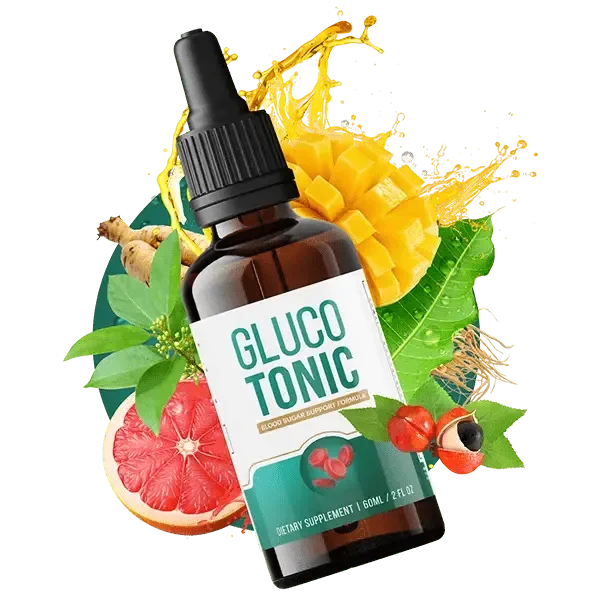
The listed ingredients include Eleuthero root, maca root, Gymnema sylvestre, African bush mango, Coleus forskohlii, guarana seed, chromium, and banaba leaf.
The product is marketed as a natural supplement that can be used alongside healthy eating and regular activity. However, it is important to distinguish a supplement’s marketing claims from what has actually been demonstrated in human research. The scientific evidence for supplements intended to influence blood glucose varies considerably, and research on an individual ingredient cannot automatically be applied to the finished GlucoTonic formula.
This detailed GlucoTonic review looks at what the product is, its ingredients, potential benefits, customer reviews, how it may fit into a healthy lifestyle, pricing, guarantee information, and important safety considerations.
What Is GlucoTonic?
GlucoTonic is a dietary supplement marketed for blood sugar and metabolic wellness.
The product’s primary positioning is centered around maintaining healthy glucose levels throughout the day. The manufacturer also associates the formula with steady energy, appetite support, metabolism, weight management, and general vitality.
Blood glucose naturally changes throughout the day. Food, physical activity, stress, sleep, hormones, medications, and many other factors can influence these changes. Maintaining healthy glucose regulation is therefore not simply a matter of taking one supplement.
GlucoTonic is presented as an addition to a broader lifestyle strategy. The supplied product information recommends combining supplementation with healthy food choices and regular activity.
The website describes the product as natural, non-GMO, gluten-free, made in the USA, and manufactured according to GMP standards. It also displays an FDA-related claim. However, the site’s wording states that the manufacturing facility is registered with the FDA. This distinction is important: FDA facility registration or compliance with manufacturing requirements does not mean that the FDA has approved the finished dietary supplement.
The product’s own disclaimer also states that its information has not been evaluated by the FDA and that it is not intended to diagnose, treat, cure, or prevent disease.
How Does GlucoTonic Work?
GlucoTonic is marketed as supporting several processes related to glucose and metabolic health rather than acting as a medication.
One area of interest is glucose metabolism. The formula contains chromium, Gymnema sylvestre, and banaba, ingredients that have been investigated for their potential influence on glucose-related processes.
Chromium is a trace mineral involved in carbohydrate, fat, and protein metabolism and may influence insulin action. However, research has produced mixed results regarding whether chromium supplementation provides meaningful improvements in blood glucose for people with diabetes. The National Institutes of Health notes that evidence remains uncertain, and the American Diabetes Association has not recommended routine chromium supplementation for diabetes.
Another aspect of the formula is appetite and energy support. Guarana naturally contains caffeine, while maca and Eleuthero are traditionally used in products associated with stamina and vitality. These ingredients may be relevant to people who want support for an active lifestyle, although their presence does not guarantee improved blood sugar control.
Gymnema sylvestre is another botanical commonly associated with glucose wellness. Preliminary research has investigated various herbal ingredients for diabetes and glucose management, but major health authorities emphasize that evidence for herbal supplements remains limited and inconsistent.
Therefore, the most reasonable way to understand GlucoTonic is as a nutritional supplement intended to complement healthy habits, rather than as a treatment capable of independently controlling blood sugar.
GlucoTonic Ingredients
Understanding the ingredients is one of the most important parts of evaluating a dietary supplement. Here is a closer look at the eight ingredients listed in the supplied GlucoTonic information.
1. Eleuthero Root
Eleuthero, sometimes called Siberian ginseng, is a botanical traditionally used in herbal preparations associated with stamina, resilience, and energy.
Despite the common name “Siberian ginseng,” Eleuthero is not the same plant as Asian or American ginseng. It is generally included in supplements aimed at physical performance, vitality, or stress support.
GlucoTonic uses Eleuthero as part of its broader energy and wellness positioning. However, there is not enough evidence to conclude that Eleuthero alone can reliably control blood glucose.
People taking medications should also discuss herbal supplements with a healthcare professional because botanical products can sometimes interact with prescription or over-the-counter medicines.
2. Maca Root
Maca is a plant native to the Andes and is traditionally associated with stamina, vitality, and general wellness.
It is frequently found in nutritional products designed for energy and physical performance. GlucoTonic includes maca as part of its overall wellness-oriented formula.
Although maca has attracted research attention for several areas of health, its inclusion should not be interpreted as proof of a direct blood-sugar-lowering effect. The product’s advertised benefits are broader than what has been firmly established through clinical research.
3. Gymnema Sylvestre
Gymnema sylvestre is one of the more recognizable ingredients in the GlucoTonic formula because it has a history of traditional use related to sugar and metabolic health.
Researchers have investigated Gymnema for potential effects on glucose metabolism, insulin-related pathways, and other metabolic outcomes. However, evidence for herbal supplements in diabetes remains limited overall, and individual studies vary in design, dosage, duration, and quality.
Consequently, Gymnema may be an interesting ingredient from a research perspective, but it should not be presented as a proven treatment for diabetes or high blood sugar.
4. African Bush Mango
African bush mango, also known as Irvingia gabonensis, is a fruit-derived ingredient that has appeared in supplements marketed for appetite and weight management.
It is included in GlucoTonic as part of the formula’s metabolic and wellness positioning.
Some research has explored African bush mango in relation to body weight and metabolic markers, but evidence is not sufficient to guarantee meaningful weight or blood sugar changes. Results can also vary according to the extract, amount used, and study design.
5. Coleus Forskohlii
Coleus forskohlii is a botanical source of forskolin and has been investigated for potential effects on body composition and cellular signaling.
The ingredient is commonly associated with metabolism and weight-management products. GlucoTonic includes it as part of its broader metabolic-support formulation.
However, claims that Coleus or forskolin will automatically increase fat burning or significantly improve glucose regulation go beyond what can be established from the supplied product information.
Anyone considering concentrated botanical extracts should consider possible interactions with medications and existing health conditions.
6. Guarana Seed
Guarana is a plant naturally rich in caffeine. Because of its caffeine content, it is commonly included in products marketed for energy, alertness, and exercise support.
In GlucoTonic, guarana appears to serve primarily as an energy-support ingredient.
Caffeine can temporarily increase alertness and reduce feelings of fatigue, but excessive caffeine may produce unwanted effects such as nervousness, difficulty sleeping, increased heart rate, or digestive discomfort.
The exact amount of guarana or caffeine in the GlucoTonic formula is not provided in the supplied information. Therefore, consumers cannot determine the product’s total caffeine exposure from the ingredient list alone.
People sensitive to caffeine or taking medications affected by stimulants should exercise additional caution.
7. Chromium
Chromium is an essential trace mineral involved in normal nutrient metabolism and has been studied extensively in relation to insulin and glucose.
Because chromium may influence insulin action, it is frequently included in supplements marketed for blood sugar support. However, clinical evidence is inconsistent.
The NIH explains that studies of chromium supplementation for diabetes have produced mixed findings, while some research suggests potential benefits in certain populations. At the same time, the evidence is not strong enough to recommend chromium routinely for blood sugar control.
Chromium can also interact with medications. For example, combining chromium with insulin or other diabetes medicines could potentially increase the risk of low blood sugar. It may also interfere with levothyroxine absorption.
8. Banaba Leaf
Banaba is a botanical traditionally used in Southeast Asian herbal medicine.
Its leaves contain compounds such as corosolic acid, which has attracted research interest because of possible effects on glucose metabolism.
GlucoTonic includes banaba as another botanical intended to support glucose-related wellness. However, available evidence on herbal supplements for diabetes is generally not strong enough to consider them substitutes for established medical treatment.
Potential Benefits of GlucoTonic
The manufacturer associates GlucoTonic with several potential wellness benefits. These should be understood as the product’s intended benefits rather than guaranteed results.
Supports Healthy Blood Sugar
The primary purpose of GlucoTonic is to support healthy glucose regulation. Ingredients such as chromium, Gymnema, and banaba are included because they have been studied in connection with glucose metabolism.
However, the available evidence for supplements is not strong enough to conclude that GlucoTonic can treat diabetes or reliably lower elevated blood glucose.
Energy Support
Guarana provides naturally occurring caffeine, while Eleuthero and maca are commonly used in products focused on vitality and stamina.
This combination may appeal to individuals looking for additional energy support, particularly when combined with exercise and an active lifestyle.
Appetite Awareness
The product is also marketed for helping users manage cravings and maintain healthier eating habits.
It is important to remember that appetite is influenced by many factors, including sleep, stress, meal composition, activity, medications, and individual biology. A supplement should not be expected to eliminate cravings completely.
Metabolic Wellness
Several ingredients in GlucoTonic are positioned around normal metabolic function.
Healthy metabolism involves numerous biological systems, including the way the body processes carbohydrates, fats, and proteins. Supporting metabolic wellness is therefore broader than simply attempting to reduce blood sugar.
Weight-Management Support
The manufacturer connects blood sugar balance, appetite, metabolism, and weight management.
Healthy weight management is indeed closely associated with nutrition and physical activity, but GlucoTonic should not be considered a standalone weight-loss treatment.
Daily Focus and Alertness
Because guarana contains caffeine, the product may provide some degree of temporary alertness depending on the amount present.
People who already consume significant amounts of coffee, tea, energy drinks, or other caffeinated products should consider their total daily caffeine intake.
GlucoTonic Reviews
The supplied GlucoTonic website features testimonials from three customers: Sarah L. from California, James W. from Texas, and Emily R. from Florida.
Sarah reports experiencing more consistent energy and fewer sweet cravings. James describes feeling more energetic and focused after adding the supplement to his routine. Emily reports feeling that her blood sugar and hunger were more balanced.
These testimonials are personal experiences rather than controlled clinical evidence. They can show how the manufacturer presents customer experiences, but they cannot establish that GlucoTonic caused the reported changes.
This distinction is especially important for blood-sugar products. Blood glucose can change for many reasons, including food choices, physical activity, body weight, sleep, stress, medication use, and natural variation.
Consumers should therefore consider testimonials alongside the ingredient information and independent scientific evidence rather than using customer stories as proof of effectiveness.
Is GlucoTonic FDA Approved?
The supplied website contains an “FDA Approved” graphic but explains that the product is manufactured in a facility registered with the FDA.
These statements should not be confused.
Dietary supplements are not generally approved by the FDA for effectiveness before they are marketed in the same way prescription medications are. FDA facility registration or compliance with manufacturing requirements does not mean the FDA has approved GlucoTonic for blood sugar management.
The website’s own disclaimer says that its information has not been evaluated by the FDA.
This is an important distinction for anyone researching supplements online.
GlucoTonic Price
According to the supplied product information, the listed promotional price is:
Regular price: $99 per bottle
Promotional price: $49 per bottle
The website also displays multiple purchase options, including packages containing multiple bottles.
Because online supplement promotions can change, consumers should confirm the current package price, shipping charges, subscription conditions if any, and refund terms before completing an order.
The advertised price should therefore be treated as the price presented in the supplied product material rather than a permanent price guarantee.
90-Day Money-Back Guarantee
The GlucoTonic website advertises a 90-day money-back guarantee.
According to the supplied information, customers who are dissatisfied can request a refund within the specified period, with the website stating that even empty bottles may be returned.
A money-back guarantee can provide additional purchasing flexibility, but customers should always review the current refund policy for precise conditions. Refund procedures, eligibility requirements, return shipping, and deadlines can change.
A guarantee is also a commercial policy and should not be interpreted as scientific evidence that a supplement works.
Is GlucoTonic Safe?
Safety deserves particular attention because products marketed for blood sugar support may affect the same physiological pathways influenced by diabetes medications.
The National Center for Complementary and Integrative Health advises people with diabetes to speak with their healthcare provider before taking dietary supplements because supplements can interact with medications and may pose risks for people with certain health conditions. It also emphasizes that supplements should never replace prescribed diabetes treatment.
GlucoTonic contains chromium, which may have additive blood-glucose-lowering effects when combined with insulin or other diabetes medications.
The product also contains guarana, a natural caffeine source. Individuals who are sensitive to caffeine should take this into account, especially if they consume coffee, energy drinks, pre-workout products, or other caffeinated supplements.
The supplied page does not provide the precise amounts of every ingredient. This makes it difficult to compare the product directly with dosages used in research studies.
People who are pregnant or breastfeeding, have diabetes, kidney disease, liver disease, cardiovascular conditions, or take prescription medication should consult a healthcare professional before using GlucoTonic.
Most importantly, people diagnosed with diabetes should not stop, reduce, or replace prescribed medication based on claims made by a supplement seller.
Who Might Consider GlucoTonic?
GlucoTonic is marketed toward adults interested in supporting metabolic wellness, energy, appetite, and healthy blood sugar as part of a broader lifestyle.
It may appeal to people who prefer supplements containing botanical ingredients and nutrients rather than products built around a single ingredient.
However, whether it is appropriate depends on individual circumstances.
People without a diagnosed blood-sugar condition may still want to discuss supplements with a healthcare professional if they have risk factors or take medications. Those who already have diabetes or prediabetes should prioritize evidence-based medical guidance, nutrition, physical activity, monitoring, and prescribed treatment when applicable.
How to Support Healthy Blood Sugar Naturally
A supplement is only one potential part of a metabolic-health routine.
A balanced eating pattern emphasizing vegetables, whole grains, legumes, lean proteins, healthy fats, and appropriate portions can provide a strong nutritional foundation.
Regular physical activity is also important. Exercise helps muscles use glucose and can contribute to healthy body weight and metabolic function.
Sleep and stress management should not be overlooked either. Poor sleep and chronic stress can affect appetite, energy, and metabolic health.
For people with diabetes, regular monitoring and following an individualized treatment plan are particularly important.
Research summarized by NCCIH emphasizes that healthy eating, physical activity, weight management when appropriate, adequate sleep, and stress management are important components of diabetes management.
Frequently Asked Questions
What is GlucoTonic?
GlucoTonic is a dietary supplement marketed to support healthy blood sugar, metabolism, energy, appetite, and general wellness. Its listed ingredients include Eleuthero, maca, Gymnema sylvestre, African bush mango, Coleus forskohlii, guarana, chromium, and banaba.
Can GlucoTonic treat diabetes?
No. GlucoTonic should not be considered a treatment or cure for diabetes. Dietary supplements do not replace appropriate medical treatment, and current evidence does not establish that supplements can independently manage or cure type 2 diabetes.
Does GlucoTonic lower blood sugar?
The formula contains ingredients that have been studied for possible effects on glucose metabolism, particularly chromium and certain botanicals. However, the evidence varies, and there is not sufficient evidence to conclude that the finished GlucoTonic product will reliably lower blood sugar.
Can I take GlucoTonic with diabetes medication?
Anyone taking diabetes medication should consult a healthcare professional before using GlucoTonic. Chromium and other ingredients may potentially affect glucose levels or interact with medications.
Does GlucoTonic contain caffeine?
The formula lists guarana seed, which naturally contains caffeine. However, the supplied product information does not state the exact caffeine amount in the finished product.
How much does GlucoTonic cost?
The supplied page lists a regular price of $99 per bottle and a promotional price of $49 per bottle. Current pricing and package terms should be verified before ordering.
Does GlucoTonic come with a guarantee?
Yes. The supplied product information advertises a 90-day money-back guarantee. Consumers should review the current refund policy for exact terms and conditions.
Final Thoughts on GlucoTonic
GlucoTonic is marketed as a natural supplement for people interested in supporting healthy blood sugar, energy, appetite, metabolism, and overall wellness. Its formula combines eight ingredients with different traditional uses and areas of scientific interest.
Chromium has been studied extensively in relation to glucose metabolism, while Gymnema, banaba, Eleuthero, maca, African bush mango, Coleus, and guarana provide a broader botanical approach. However, the scientific evidence varies substantially between these ingredients. Health authorities emphasize that there is currently not enough evidence to consider dietary supplements a replacement for established diabetes treatment.
The biggest consideration is therefore expectations. GlucoTonic should not be viewed as a guaranteed method for lowering blood sugar, eliminating cravings, burning fat, or preventing diabetes. Blood glucose regulation is influenced by numerous factors, and no supplement can substitute for healthy nutrition, physical activity, appropriate sleep, monitoring, and medical care when needed.
The absence of individual ingredient dosages in the supplied information is another limitation. Without those amounts, it is difficult to determine how closely the formula corresponds to doses examined in clinical research.
Safety is equally important. People taking insulin or other glucose-lowering medications should speak with their healthcare provider before using a product containing chromium or other ingredients that may affect glucose metabolism. People with kidney or liver problems, pregnant or breastfeeding individuals, and those taking multiple medications should also seek professional advice.
For someone simply looking for a general wellness supplement, GlucoTonic may be an option to investigate based on its ingredient profile and advertised formulation. However, anyone specifically trying to manage high blood sugar or diabetes should evaluate it as a supplement only—not as a substitute for proven medical treatment.
Ultimately, the most reliable approach to metabolic health remains a combination of nutritious food, regular movement, healthy weight management where appropriate, adequate sleep, stress management, and professional medical guidance when blood sugar is elevated or diabetes is present.