
Hair Tissue Mineral Analysis Folsom CA
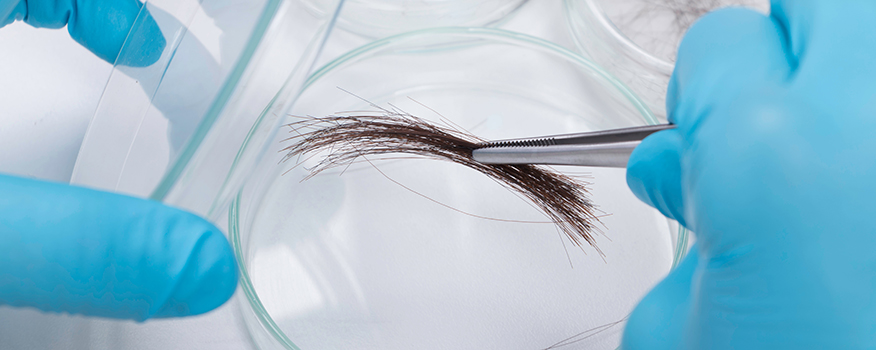
Understanding what a mineral test can and cannot tell you is an important part of making informed wellness decisions. Hair tissue mineral analysis Folsom CA is a type of testing that examines a small hair sample for measurable amounts of minerals and certain elements. Hair is easy to collect and can preserve information about substances that have been incorporated into it over time. However, results require careful interpretation because hair can also be affected by water, dust, hair products, coloring, and other outside sources. The Agency for Toxic Substances and Disease Registry notes that hair analysis has important limitations, including differences in collection methods, laboratory procedures, reference ranges, and the difficulty of separating external contamination from substances incorporated into hair.
Understanding Mineral Testing
Minerals are naturally occurring elements that play different roles in normal body processes. A hair sample may contain measurable amounts of elements such as calcium, magnesium, zinc, copper, iron, and other substances. Hair tissue mineral analysis may therefore be used as one source of information when someone wants to learn more about mineral patterns found in a hair sample. It is important, however, to understand that a number reported from hair does not automatically show the amount of that mineral in the bloodstream or tissues. The scientific literature has identified significant challenges in interpreting hair mineral concentrations, including inconsistent sampling methods and limited reference ranges. For this reason, hair testing should be viewed as a source of information rather than a stand alone method for diagnosing a medical condition or determining a person’s overall health.
What a Hair Sample Can Show
The appeal of hair testing is partly its simple collection process. A small sample can be collected without a blood draw, and hair remains relatively stable after collection. Depending on the laboratory and testing method, the sample may be examined for a range of elements. Hair tissue mineral analysis Folsom CA can provide numerical findings that may be useful for discussion with a qualified professional, particularly when the purpose of testing has been clearly defined. At the same time, a test result should not be interpreted in isolation. Hair treatments, shampoos, dyes, environmental exposure, and other outside factors can influence measured levels. ATSDR has specifically highlighted the difficulty of distinguishing substances originating from inside the body from substances deposited on the outside of hair. This is one reason results should be considered alongside relevant history and, when appropriate, conventional clinical testing.
Why Interpretation Matters
Receiving a laboratory report can sometimes create more questions than answers. A value that appears high or low does not necessarily mean that a person has a nutritional deficiency, toxicity, or disease. Hair tissue mineral analysis Folsom CA should be interpreted with an understanding of the test’s purpose, the laboratory methods used, and the limitations of hair as a testing material. ATSDR has reported that reliable reference ranges can be difficult to establish and that measurable substances in hair do not automatically demonstrate that an adverse health effect has occurred. Hair results also may not correspond directly with concentrations in blood, urine, or other tissues. Because of these limitations, people should avoid making major dietary, supplement, or medical decisions based only on a hair report. A qualified healthcare professional can help determine whether additional testing is appropriate when a result raises a genuine concern.
Preparing for Testing
Before providing a hair sample, it can be useful to understand how the sample will be collected and analyzed. Ask which part of the hair will be sampled, how much hair is needed, which elements will be measured, and what laboratory method will be used. It is also helpful to mention recent hair coloring, bleaching, permanent treatments, or other products that could affect the sample. Internal Wisdom can help clients understand the general testing process and the type of information a report may contain. Good communication before testing can make the results easier to understand later. A laboratory report should be considered a piece of information within a larger picture rather than a complete assessment of someone’s health. If a person has symptoms or a specific concern about mineral or heavy metal exposure, discussing those concerns with a licensed healthcare professional is an important step.
Using Results Responsibly
A thoughtful approach to mineral testing begins with a clear question. Someone interested in nutritional wellness may want to learn about mineral measurements, while someone concerned about a possible environmental exposure may have a different reason for testing. These situations should not automatically be treated the same way. Hair tissue mineral analysis Folsom CA can be discussed as an informational tool, but the meaning of any result depends heavily on the substance being measured and the circumstances surrounding the test. ATSDR has noted that hair analysis can sometimes contribute to exposure assessment for particular substances, but its usefulness varies considerably by substance and situation. For some concerns, blood or urine testing may provide information that is more appropriate for clinical evaluation. Internal Wisdom encourages an informed approach in which test results are considered carefully instead of being treated as definitive answers.
FAQs
Q1. What is hair tissue mineral analysis?
Ans. Hair tissue mineral analysis examines a hair sample for measurable amounts of selected minerals and elements. The results can provide information about the sample, but they do not by themselves diagnose disease or prove a nutritional deficiency.
Q2. Is hair testing the same as a blood test?
Ans. No. Hair and blood are different types of samples, and measurements in hair do not necessarily represent mineral concentrations in blood or other body tissues.
Q3. Can hair products affect the results?
Ans. Yes. Hair treatments, shampoos, dyes, and environmental materials can contribute substances to the hair and may complicate interpretation.
Q4. Can one hair test diagnose a health condition?
Ans. A hair mineral report should not be treated as a stand alone diagnosis. Results need to be interpreted carefully and, when appropriate, considered alongside clinical history and other testing.
Q5. Should I change my diet based only on a hair report?
Ans. Major dietary or supplement changes should not be based solely on a hair test. Discuss unexpected findings with a qualified healthcare professional who can consider your individual circumstances.
Conclusion
Mineral testing can be an interesting way to gather additional information, but understanding its limitations is just as important as understanding the numbers on a report. Hair is a convenient sample, yet outside contamination, laboratory differences, reference ranges, and the relationship between hair measurements and health outcomes can all affect interpretation. Internal Wisdom provides a setting where people can learn more about the testing process and approach their results with reasonable expectations. Anyone considering testing should begin with a clear purpose and understand what the selected test is designed to measure. When results raise questions about possible deficiency, excess, or exposure, professional medical guidance and appropriate clinical testing may be needed. A careful, informed approach helps keep hair analysis in its proper role as one potential source of information rather than treating it as a definitive measure of overall health.